Walk the Oregon Trail amid Flint Hills vistas
Oregon Trail settlers passed this spot on their journey west. Today a natural area provides distant views of the Kaw River Valley. Oregon Trail Nature Park is between Topeka and St Mary’s, Kansas.

Oregon Trail Nature Park, Evergy Jeffrey Energy Center, St. Mary's, Kansas
Oregon Trail settlers passed this spot on their journey west. Today a natural area provides distant views of the Kaw River Valley.
Trails Oregon Trail Nature Park
Overview
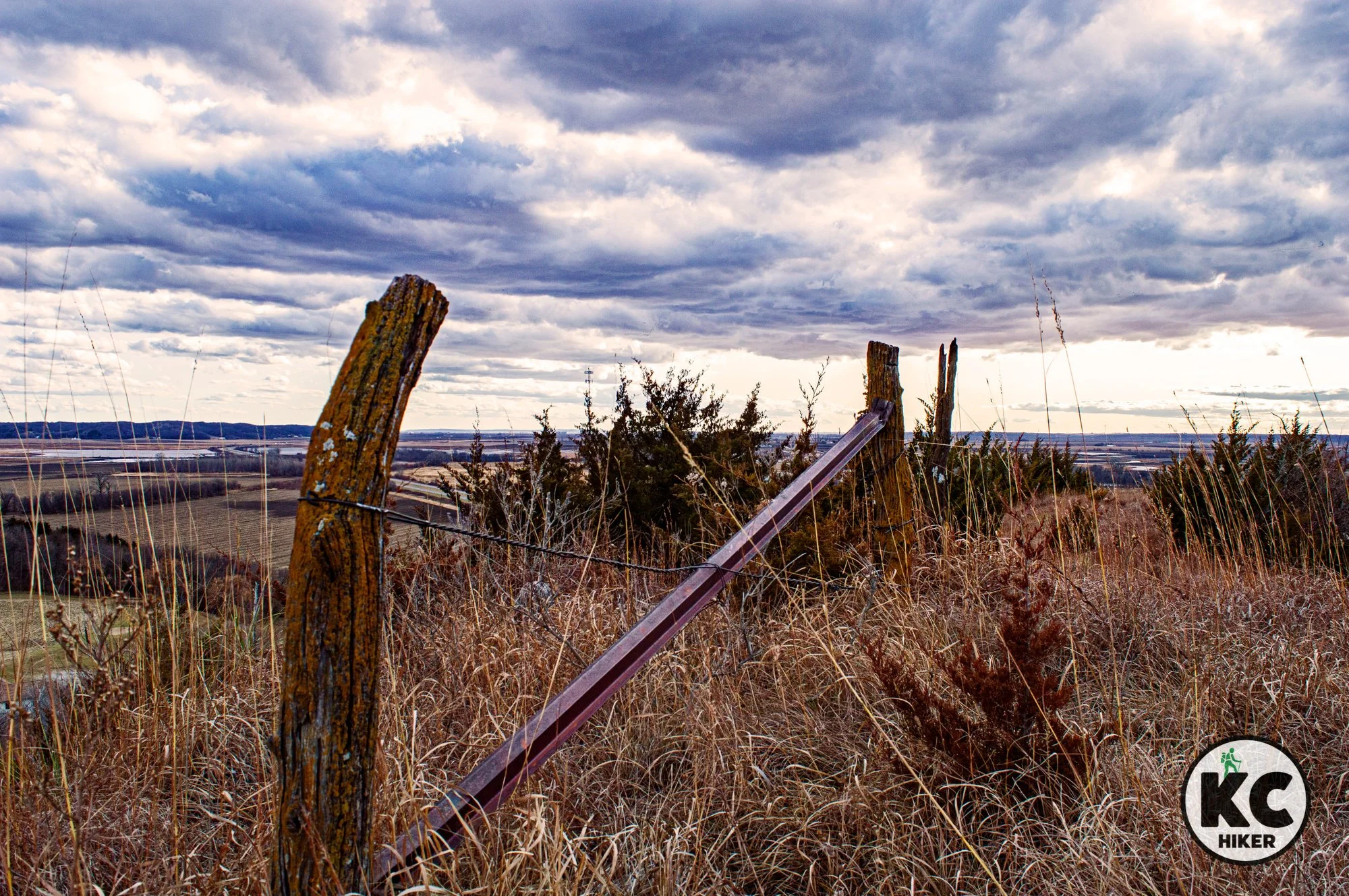
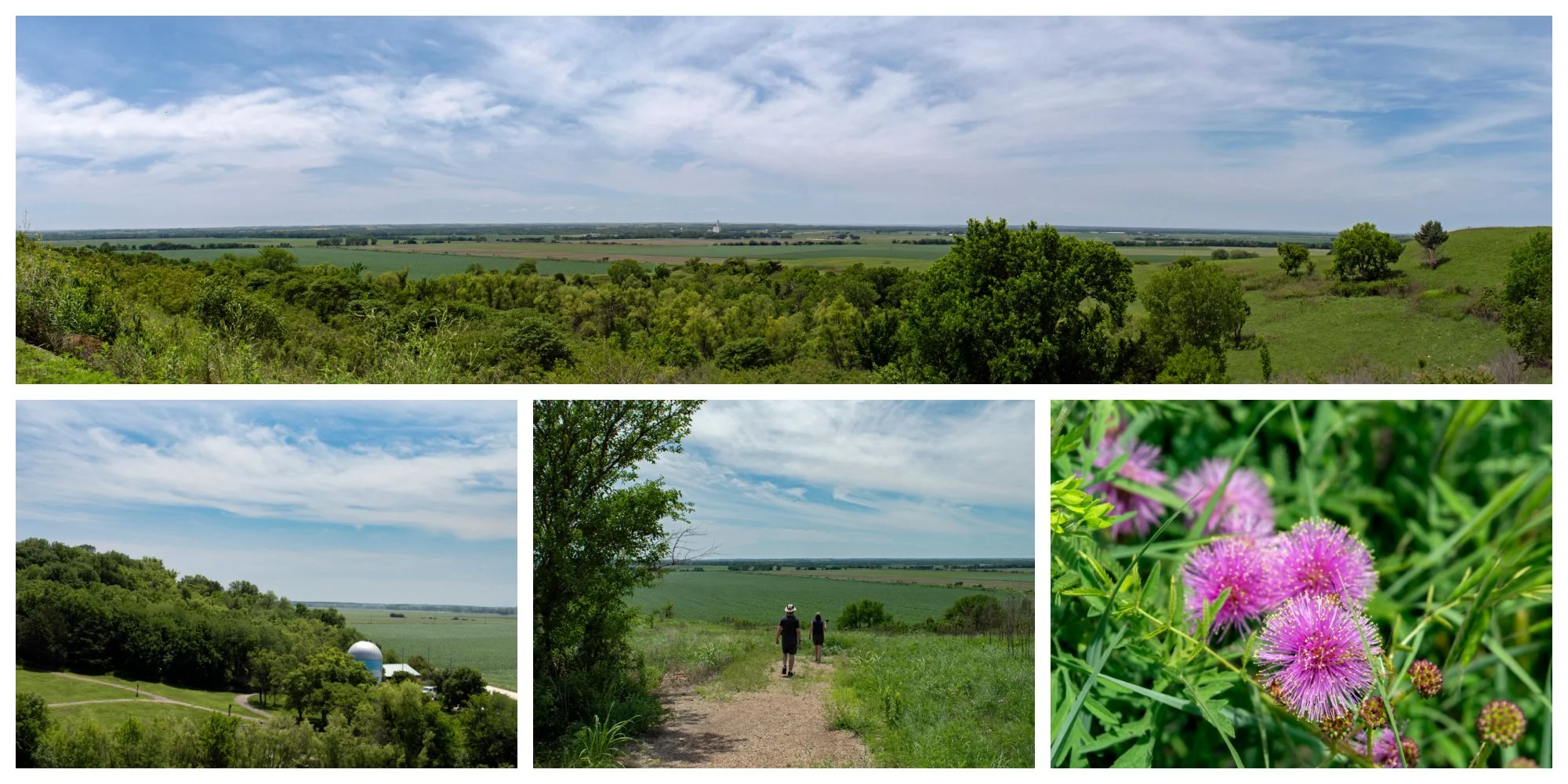
Oregon Trail Nature Park intersects with the route of the original Oregon Trail. Apart from its historical ties, the park is a spectacular preserve of native prairie and hills rising more than 200 feet above the Kaw River plain. It is in a somewhat remote location between Topeka and St. Mary’s, Kansas. In season, the park explodes with multi-colored wildflowers and myriad species of birds. The property is owned by the utility company Evergy, but is open to the public.
Length There are about two miles of trails with several loops.
Address and location Oregon Trail Nature Park, Oregon Trail Road, St. Marys, KS 66536
Conditions Trails are well marked and generally well maintained. The trails are challenging, with an elevation gain of about 200 feet and steep grades. In addition, there is little shade, so exposure to sun and wind can be an issue.
Kid friendly? This is a challenging walk not suitable to strollers.
How busy? This is generally a quiet and remote area.
Pets Yes, on a leash (unless otherwise designated).
Bikes are allowed unless posted otherwise.
Other area hiking destinations



Van Meter State Park: An island of green among fields of gold
Rolling hills, the Missouri River and Native American heritage make Van Meter State Park an unexpected find in Central Missouri.
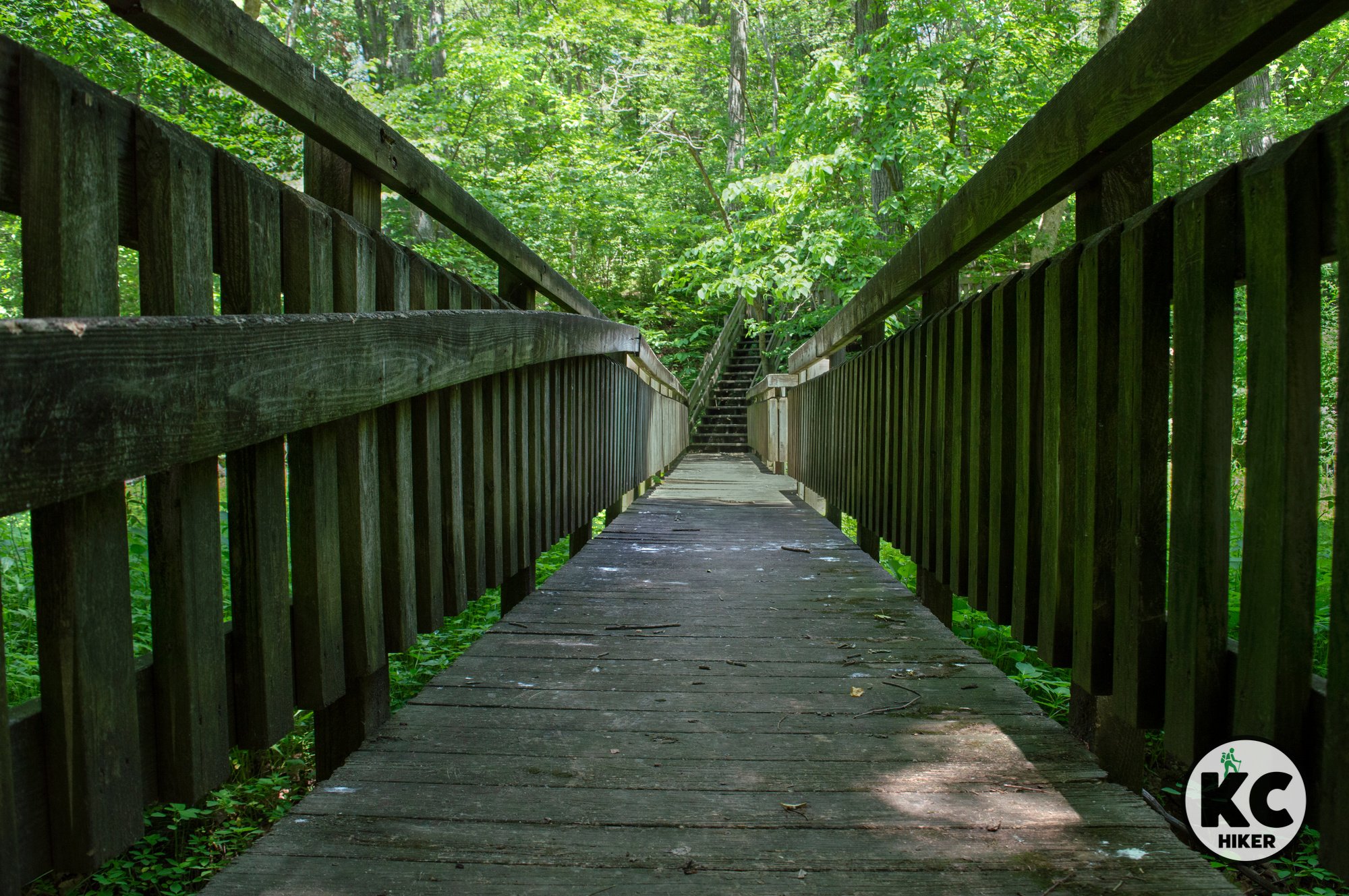
Van Meter State Park, near Marshall, Mo.
Rolling hills, the Missouri River and Native American heritage make this an unexpected find in Central Missouri.
Trails Van Meter State Park, near Marshall, Mo.
Overview
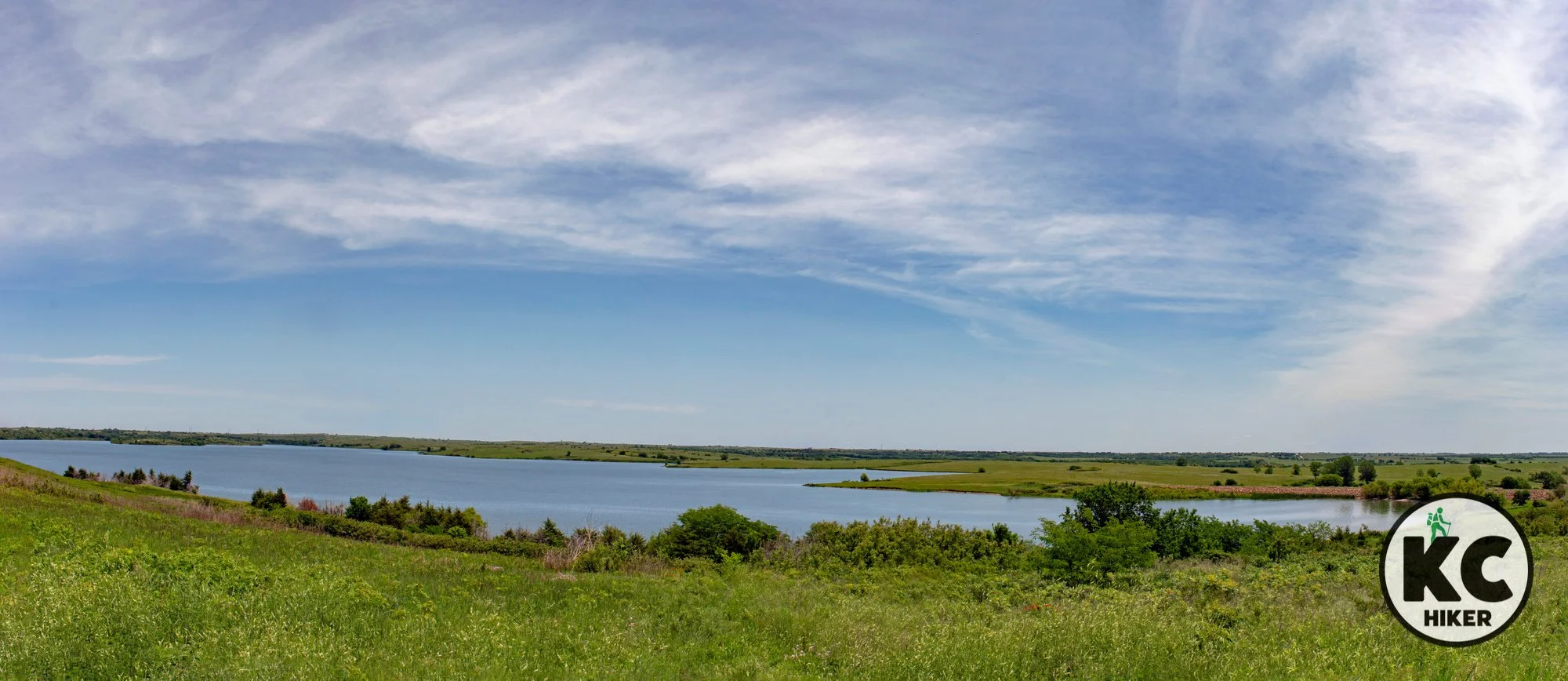
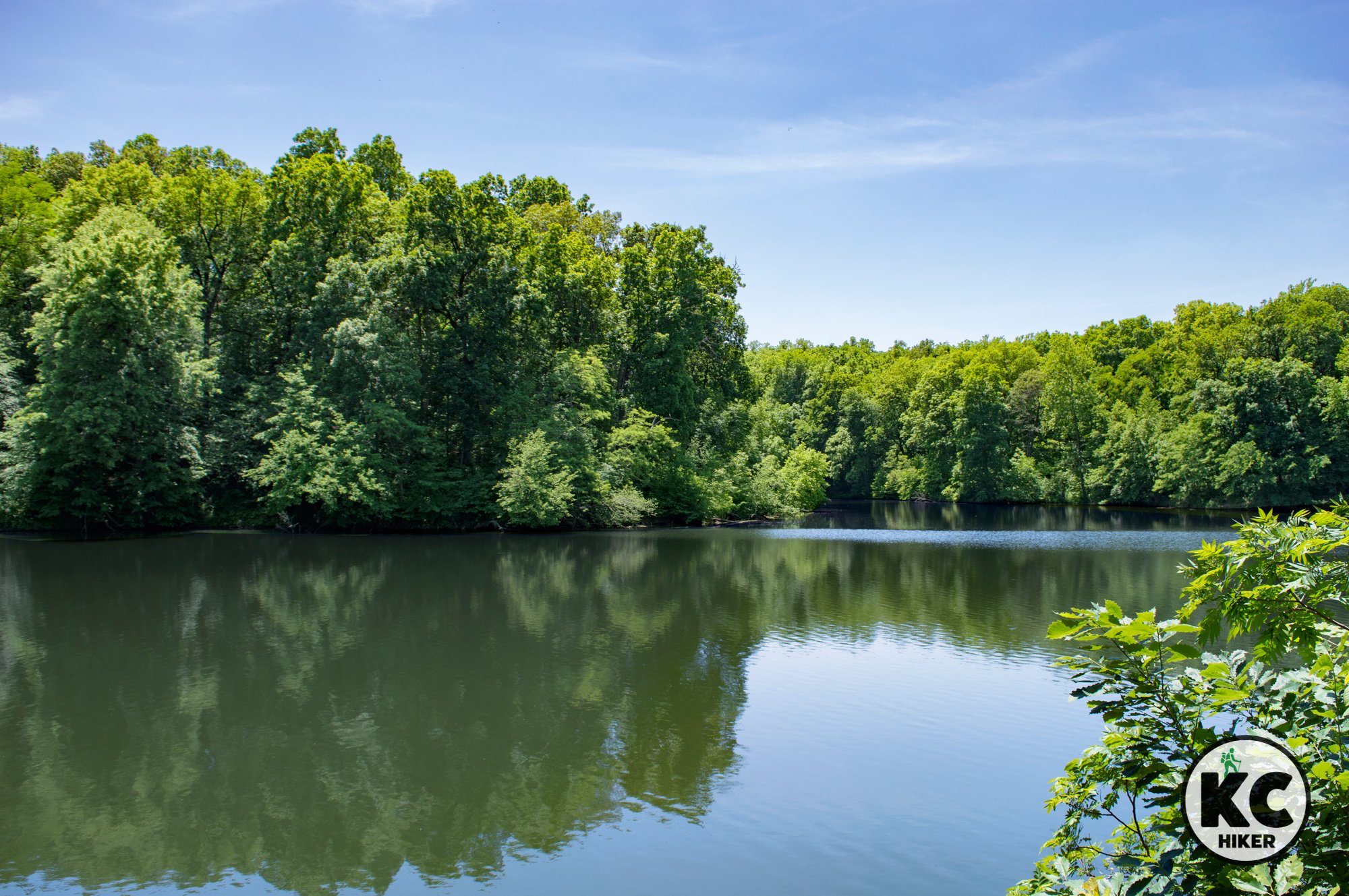
Van Meter State Park stands out like a green thumb in the gently-rolling prairies of Mid-Missouri. The park is built around two geologic features: loess hills and the Missouri River. Loess is soft soil blown and deposited by the wind. It has created spectacular landforms in Missouri, Nebraska, Iowa and other locations around the world. Here, it has created steep-sloping hills that rise abruptly from the Missouri River plain. When it erodes, it creates steep drop-offs and ravines. The hills were natively devoid of trees. With the arrival of agriculture came fire suppression and the rise of forests. These cover most of the park, although there are still remnants of prairie. The Missouri River plain is also a distinctive of the park. As the hills descend, they meet head-tall grasses which populate soggy bottomland soil. It would be nearly impenetrable were it not for metal boardwalks that allow visitors to explore the Oumessourit Natural Area. The park is the site of a Missouria Indian village that sat at the Great Bend of the Missouri River until about 1800. Several artifacts have been preserved.
Length There are about five miles of trails in the park with a total of six trails. They range from one-tenth of a miles to about two miles in length.
Address and location Van Meter State Park, 32146 MO-122, Miami, MO 65344.
Conditions These are natural surface trails that are well marked. Because they are explore hilly terrain, there are some moderately challenging sections on the Loess Hills Trail.
Kid friendly? These trails are generally easy to walk, but they would not accommodate strollers.
How busy? This is generally a quiet area, but holiday weekends will increase the population. It is a popular camping site.
Pets Yes, on a leash (unless otherwise designated).
Bikes are not allowed on trails.


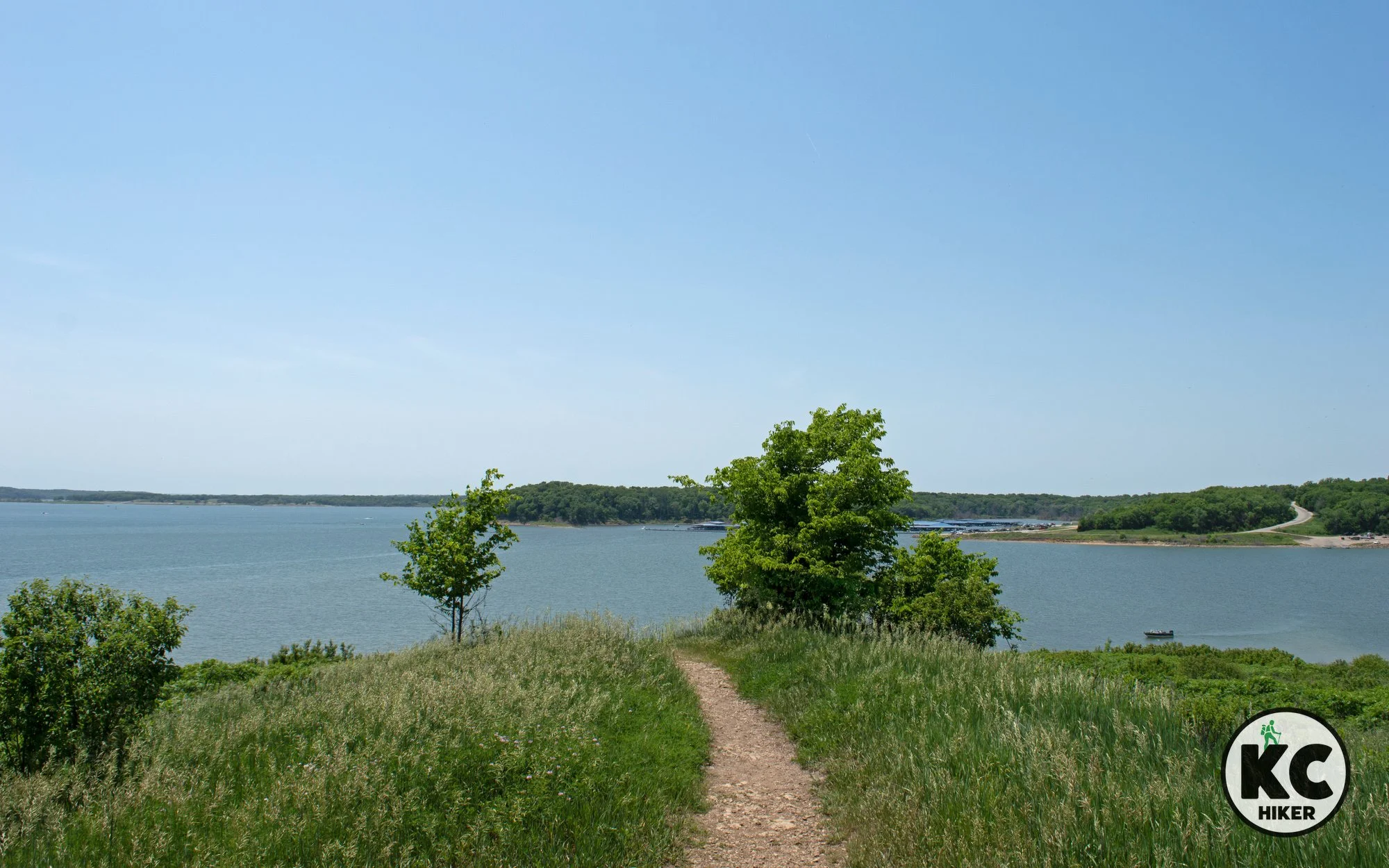
Get a scenic Clinton Lake vista at Overlook Park
The Sanders Mound Trail at Overlook Park is mostly-paved and leads to a hilltop view of the the Clinton Lake, marina and dam in Lawrence, Kansas. It also connects to the North Shore Trails system.

Overlook Park, Sanders Mound Trail at Clinton Lake, Lawrence, Kansas
The Sanders Mound Trail is mostly-paved and leads you to a hilltop view of the lake, marina and dam.
Trail Sanders Mound Trail at Overlook Park
Overview
The Sanders Mound Trail leads from the lookout deck at Overlook Park down the slope and into a prairie area. From there, it heads back uphill via a short dirt path to the top of Sanders Mound. This is a small but steep hill that offers a commanding view of Clinton Lake. This short trail can be enjoyed in combination with other shorter and longer trails in the Lawrence, Kansas, area.
Drive Time The main trailhead is 45 minutes from Downtown Kansas City.
Length 1.2-miles total (out and back).
Address and location
Overlook Park trailhead N. 1402 Road, Lawrence, KS 66049.
Conditions This trail is wide and paved until it reaches the base of the hill that is Sanders Mound. From there, it is a steep dirt path for about 100 yards until you reach the summit. It’s also clearly marked. No map is necessary. There is little shade on this trail, so come prepared.
Kid friendly? This is a short trail that is also stroller-friendly (except for the last 100 yards).
How busy? This is a popular destination, but is unlikely to be overly crowded.
Pets Yes, on a leash, unless stated otherwise..
Other area attractions


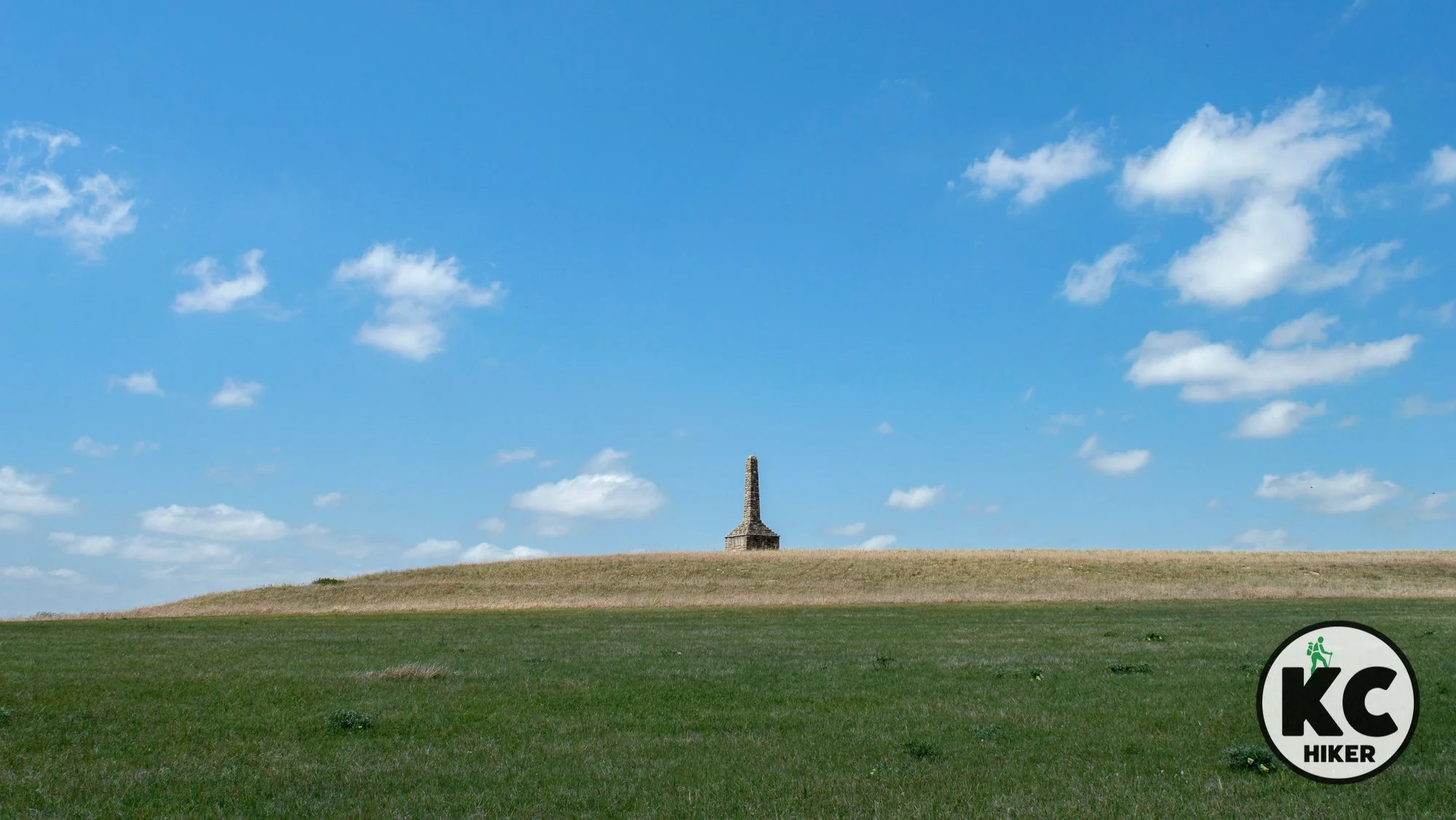
Kaw Nation Memorial explores the Flint Hills’ rugged past
When you walk the Flint Hills trail at the Kaw Nation Memorial, you’re stepping back in time. This stunning area was home to Kaw (Kanza) Native Americans from about 1840-1872. The state of Kansas is derived from the name of this nation. A 2-mile loop explores the history and scenery of this stunning area.

Kaw National Memorial near Council Grove in the Kansas Flint Hills.
A 2-mile loop rises to prairie ridgetops, then follows a pristine Flint Hills creek. History is in every step.
Trail Kaw Nation Memorial Trail
Overview
When you walk the Flint Hills trail at the Kaw Nation Memorial, you’re stepping back in time. This stunning area was home to Kaw (Kanza) Native Americans from about 1840-1872. The state of Kansas is derived from the name of this nation.
Like much of Native Americans experience with European settlers, the story is tragic. Yet the memorial was initiated by the Kaw Nation itself. The effort was supported with funds from the National Park Service, Kansas Historical Society and the state of Kansas. So while there is a sober-minded component of the monument, it’s also an opportunity to gain appreciation for Kaw culture and history while experiencing the stunning Flint Hills landscape they once called home.
The memorial and trail are centered on a 35-foot-tall limestone burial monument for an unknown Kaw warrior. His remains were found when the erosive forces of a nearby stream brought them to light long after the Kaw had left the area. The monument was built in 1925 by citizens of nearby Council Grove as a tribute to the warrior and the Kaw Nation. (The trail does not intersect with the monument; the Kaw Nation asks that it be observed from a distance.)
This scenic 168-acre area was the site of a forced relocation village. It is the last Kaw community in Kansas to be forcibly relocated to Oklahoma, which occurred in 1873.
This area, which is also known as Allegawaho Heritage Memorial Park, includes the remains of several government-built homes which were erected for the Kaw. Ironically, the Kaw rejected them, viewing them as an intrusion of American-European values. Instead, they used them for livestock and lived communally, as was their custom.
The memorial is five miles from Council Grove, Kansas. The Flint Hills Trail, which is 117 miles long and begins in Osawatomie, passes through the park and ends in Council Grove.
Drive Time The Kaw Nation Memorial is just under two hours from Downtown Kansas City.
Length Two mile loop.
Address and location
This location is referred to by several names: Kaw Nations Memorial, Kaw Indian Memorial and Allegawaho Memorial Heritage Park. They are all the same location. The address is:
S. 525 Rd, Council Grove, KS 66846 (Note: Some gravel road travel is required, but no special vehicle is needed).
Conditions This is a mowed and well-maintained trail. There is an elevation gain of about 150 feet. Wear insect repellant in season. Most of the trail is not shaded, so sun and heat will impact your walk.
Kid friendly? This is a trail for hearty kids who can walk on their own.
How busy? This area receives few visitors except on special historical occasions.
Pets Yes, on a leash, unless stated otherwise..
Nearby attractions
Tallgrass Prairie National Preserve is about 20 minutes south.
The historic town of Council Grove is home to a river walk and historical sites.


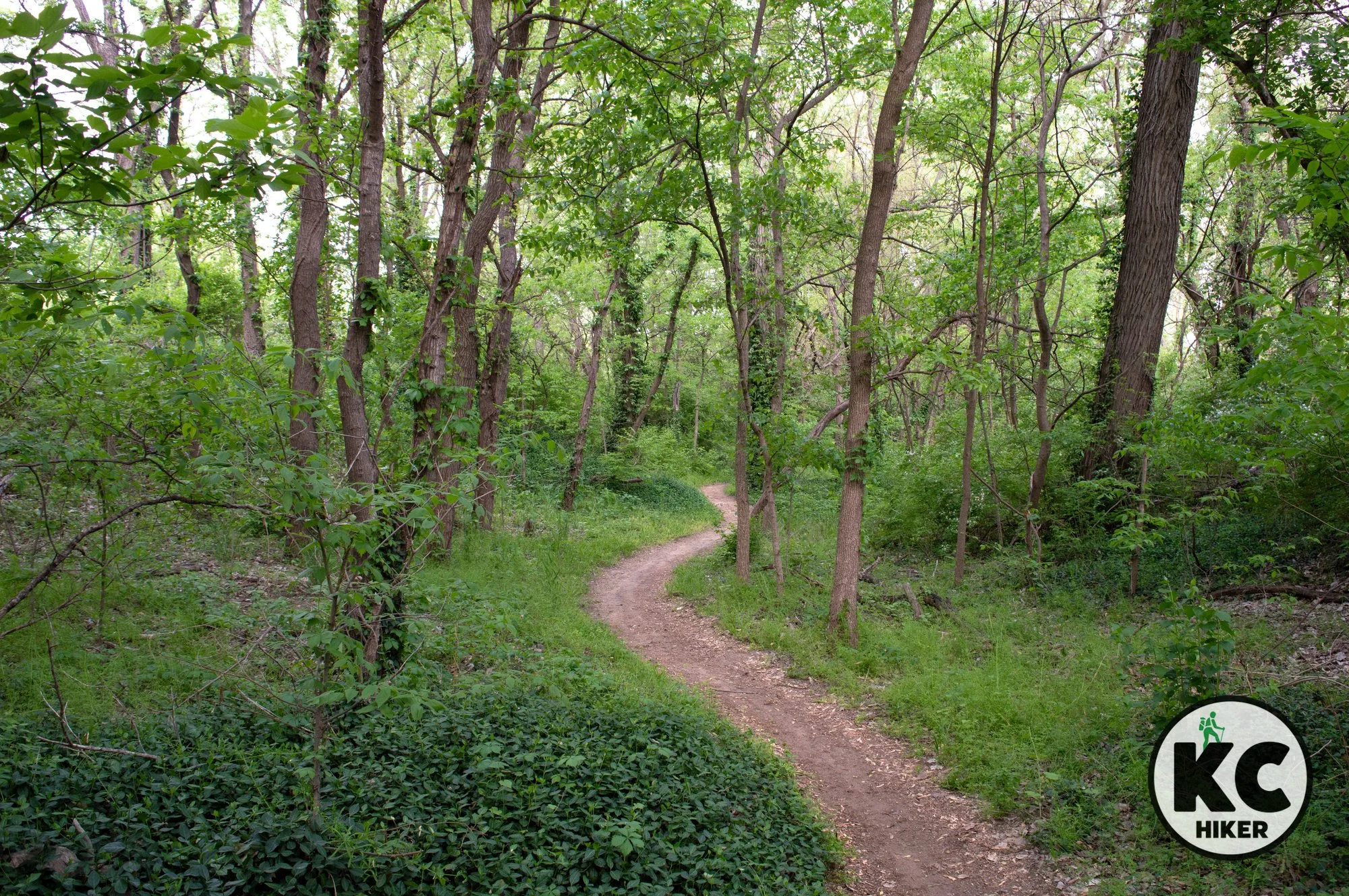
The Lawrence River Trail winds through pristine backcountry
The Lawrence River Trail winds 9 miles through thick riparian forest next to the Kaw River. The area is wild, with deer rustling in the woods and diverse bird species chirping in the forest canopy. Birds of prey, including herons, eagles and egrets, fish the Kaw River.

Lawrence River Trail, Lawrence, Kansas
A 9-mile loop explores bottomland forest beside the Kansas (Kaw) River in north Lawrence.
Trail Lawrence River Trail
Overview
The Lawrence River Trail winds 9 miles through riparian forest next to the Kaw River. The area is wild, with deer rustling in the woods and diverse bird species chirping in the forest canopy. Birds of prey, including herons, eagles and egrets, fish the Kaw River. In addition, the trail includes breaks and side paths that let you climb down to the river if you desire. If you have binoculars, bring them along.
Although you’re near a bustling campus community, it seems quite distant when you’re on the trail – particularly on its more remote sections. This is a popular destination in a college town and its primary “traffic” is mountain bikers. However, the trail is also open to walkers. Just be alert to passing cyclists and defer to them. If you’re seeking a quieter journey, start at the more rural east end of the trail at the Mud Creek Trailhead (info below).
This area is stunning in its natural beauty and colors, particularly in fall and spring. Note: The topography does not change much throughout the journey. You’ll wind through low-lying woodlands near the river the entire time. If that’s appealing, this trail is for you. If you like more variety, just pick a section and walk a few miles.
P.S. You can check trail status here. Avoid this trail when it’s muddy, both for safety and to preserve the trail.
P.S.S. This is not the Lawrence Levee trail. That’s a crushed gravel surface that follows the top of levees.
Drive Time The main trailhead is 45 minutes from Downtown Kansas City.
Length Nine mile loop.
Address and location
Main trailhead 1594 N. 3rd St., Lawrence, KS 66044.
Mud Creek trailhead (east side) can be accessed via Alexander Road
Conditions The Lawrence River Trail is expertly maintained by the Lawrence Mountain Bike Club. It is a single-track, natural surface trail. You can check trail status here. Avoid this trail when it’s muddy, both for safety and to preserve the trail.
Kid friendly? This trail holds few obstacles for children, though it’s too narrow and rugged for a stroller. Parents should be mindful of passing cyclists.
How busy? This is a popular destination in a college town. If you want a less-crowded option, go in winter or during the day Monday-Friday
Pets Yes, on a leash, unless stated otherwise..
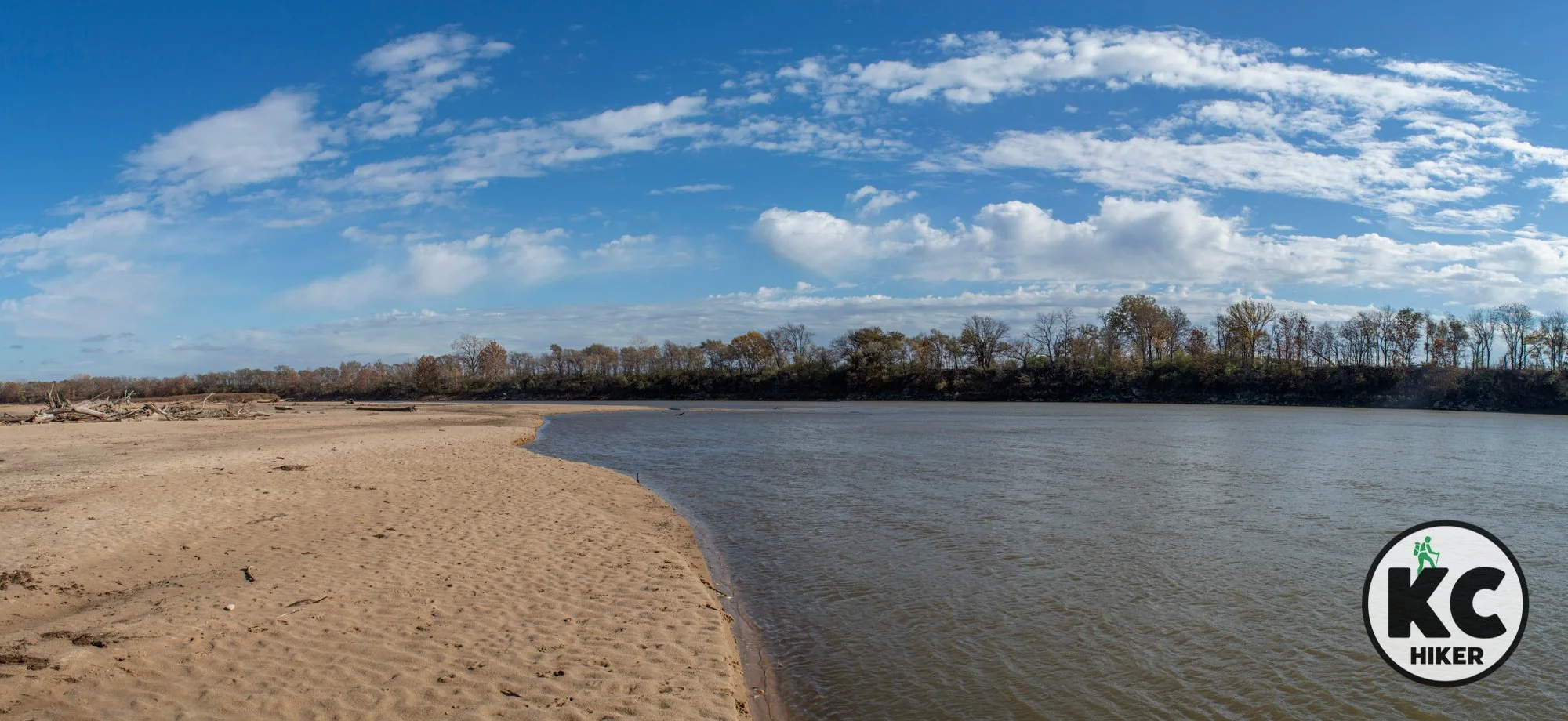


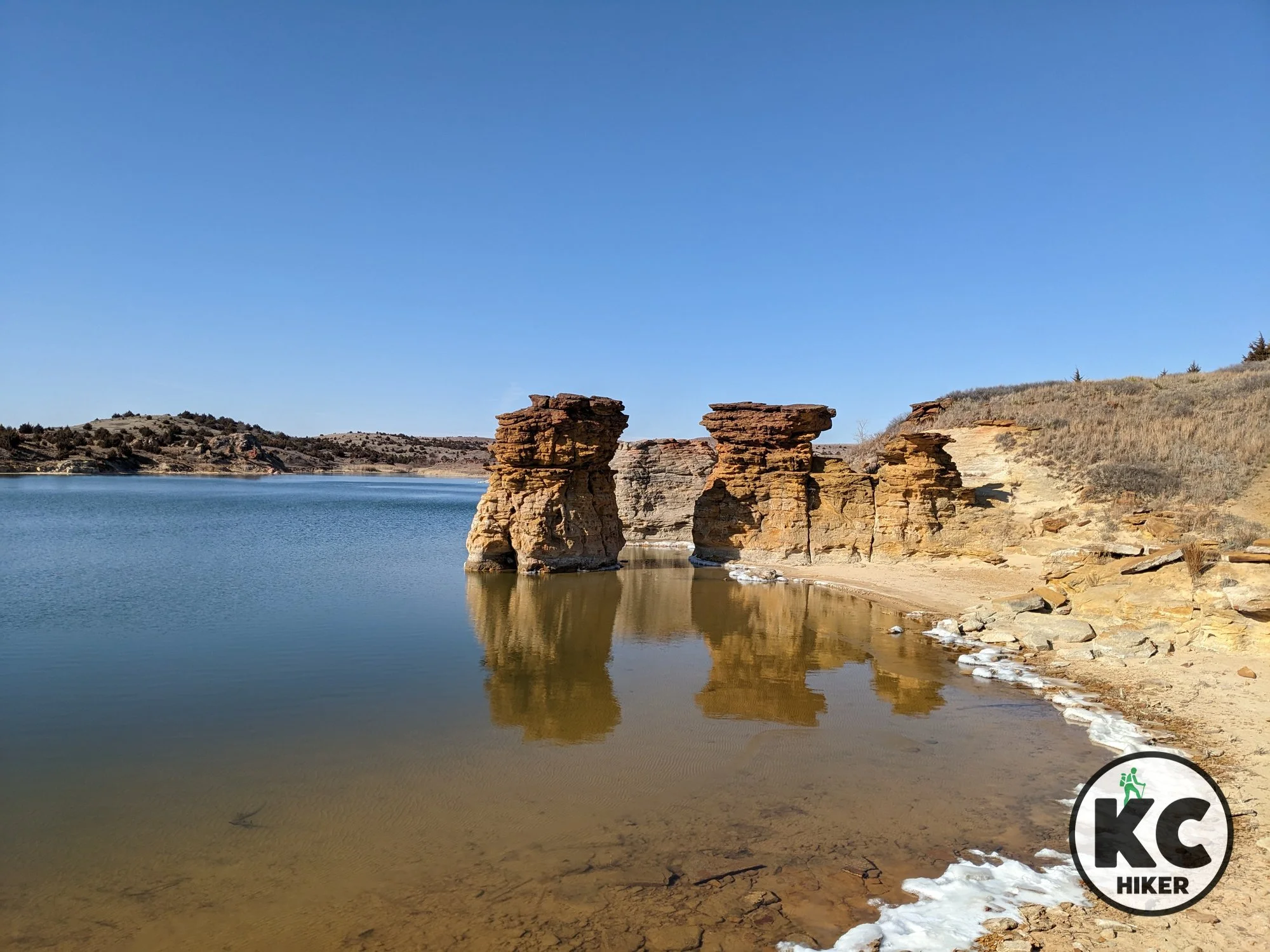
Central Kansas' Smoky Hills give way to the rugged cliffs of Wilson Lake
Wilson Lake State Park and nearby wildlife areas provides access to 9,000 acres of red rocks, cliffs and prairie in central Kansas. The state park is home to miles of mountain biking trails while the wildlife areas offer hiking and backpacking opportunities.

Wilson Lake lies in the midst of 9,000-acres of public land including Kansas’ Wilson Lake State Park.
This central Kansas state park and wildlife area provides access to 9,000 acres of red rocks, cliffs and prairie.
Trail Wilson Lake State Park and adjacent public lands
Overview
The Smoky Hills region of Kansas is west of the Flint Hills in the center of the state between Salina and Hays. Wilson Lake lies in the midst of 9,000 acres preserved by several public agencies. This area is characterized by spectacular red rock outcroppings, spires and cliffs. Vegetation begins to transition away from the Midwestern biome to plants such as yucca that are associated with the West. There are many miles of trails to explore this area, but you can also do so on the water and by venturing off trail.
Drive Time Wilson Lake State Park is about three and a-half hours from Downtown Kansas City.
Length The Switchgrass bike/hike trail is 24.5 miles long. However, it consists of numerous switchbacks and loops so you can travel as far or little as you like. Outside the park, the U.S. Army Corps of Engineers maintains the spectacular 3-mile Rock Town Trail on the north side of the Lake. There are also other shorter trails.
Address and location
Take I-70 about 57 miles west past Salina to State Highway 232. The nearest towns are Wilson and Sylvan Grove.Where to stay
This trip is too far for a day trip from Kansas City (for most of us, anyway). Although it’s remote, lodging is available. The historic Midland Railroad Hotel is nearby in Wilson. Cabins and campsites are available at the park. You may also find accommodations through vacation rental sites.Conditions These are natural surface trails that are well marked and maintained.
Kid friendly? These trails could provide plenty of fascination for kids who can walk on their own.
How busy? This is a remote location that is lightly trafficked. However, seasonal demand increases traffic.
Pets Yes, on a leash, unless stated otherwise..


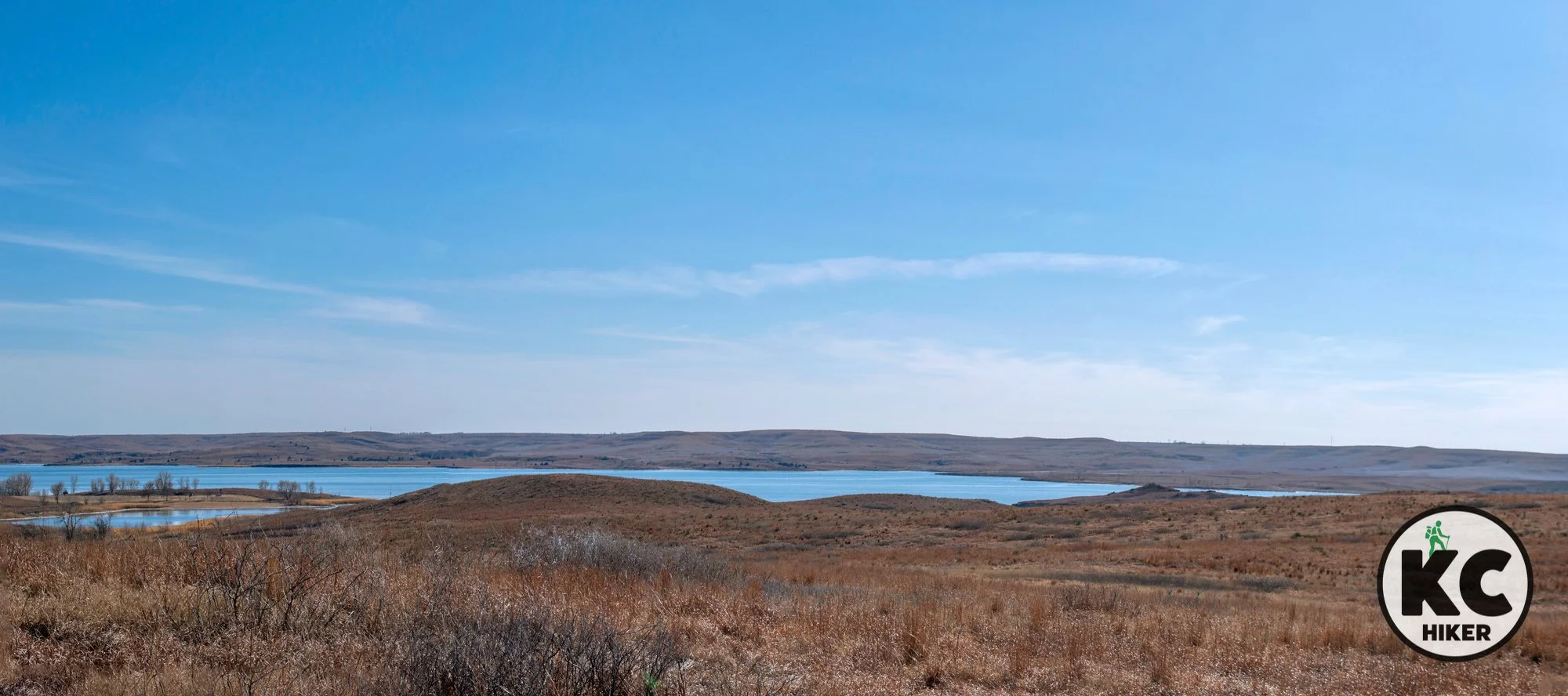
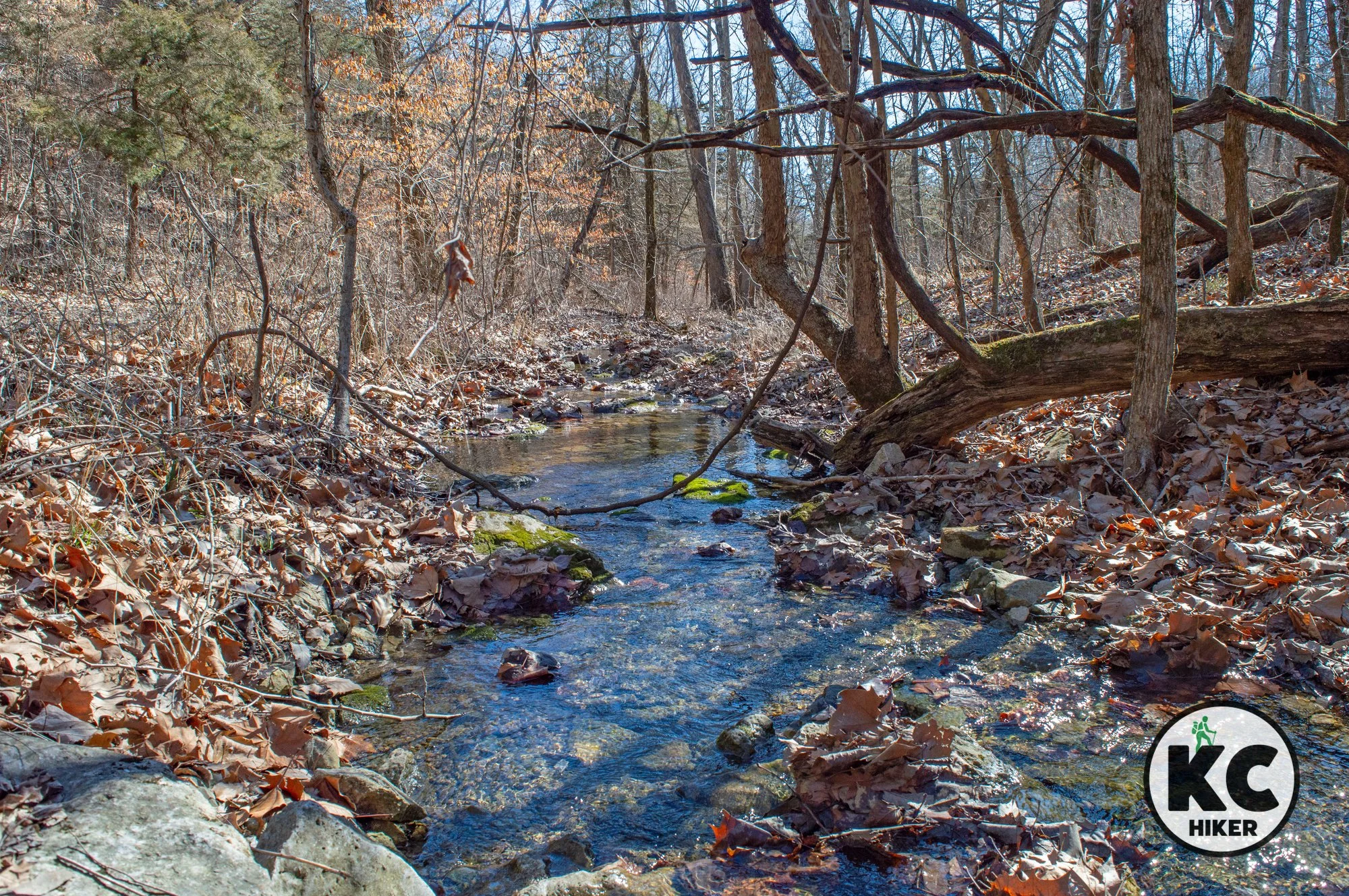
St. Philippine Duchesne: Unexpected beauty in eastern Kansas
St. Philippine Duchesne Memorial is an unexpectedly scenic and rugged park that takes some work to reach. It’s an eclectic blend of nature, history and spirituality in a remote corner of eastern Kansas.
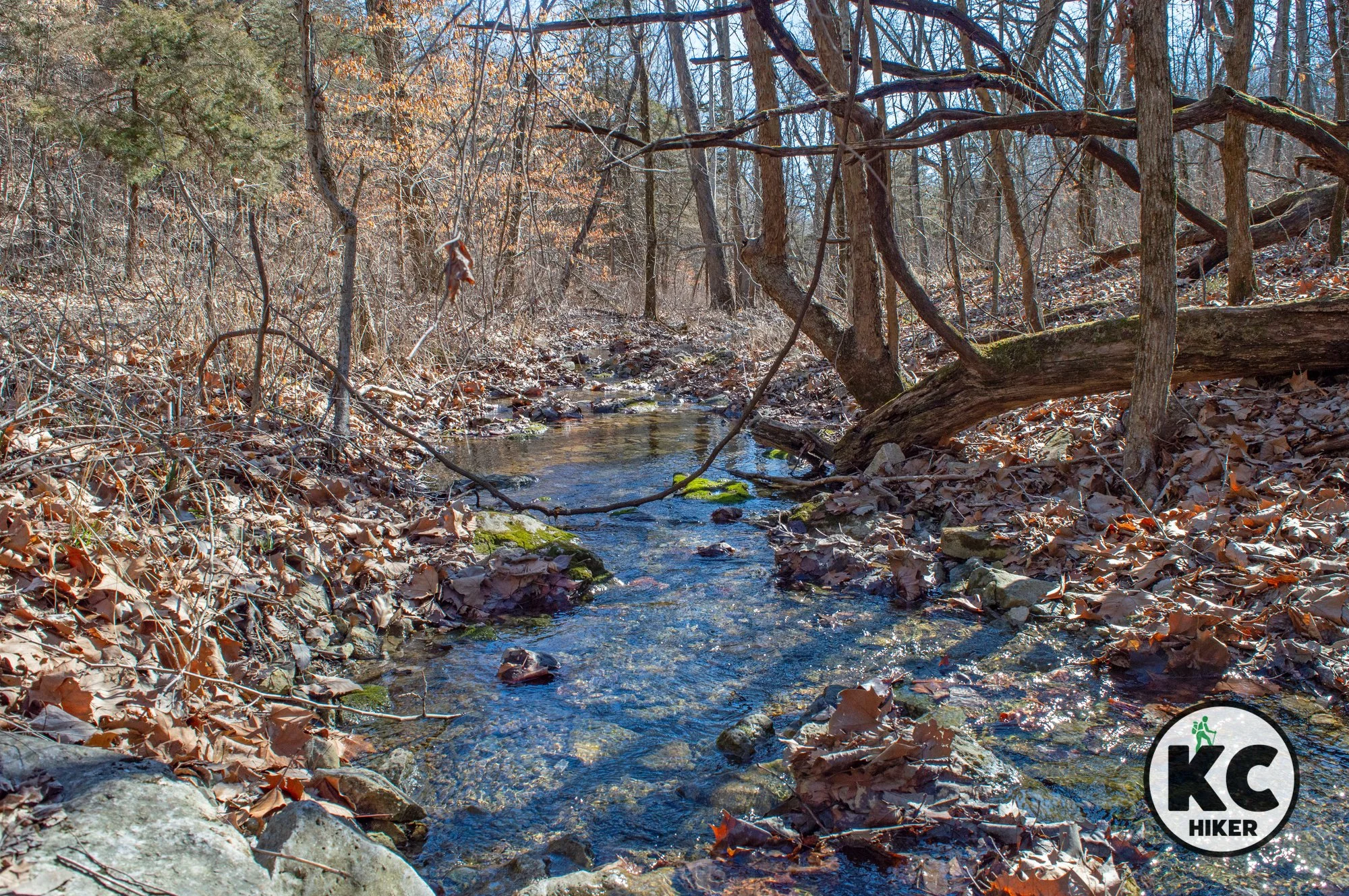
St. Phillipine Duchesne Memorial Park Nature Trail
It’s an eclectic blend of nature, history and spirituality in a remote corner of the state.
Trail St. Philippine Duchesne Memorial Park
Overview
St. Philippine Duchesne Memorial is an unexpectedly scenic and rugged park that takes some work to reach. It’s an eclectic blend of nature, history and spirituality in a remote corner of eastern Kansas.
In 1841, St. Philippine, the park’s namesake, led Catholic sisters from France’s Society of the Sacred Heart here to establish a school for Potawatomi girls. Their work was bittersweet. The Native Americans had recently arrived at what was called Sugar Creek Mission due to a forced relocation ordered by the U.S. government. Their suffering, and the service of St. Philippine, are recognized and honored at the park. The Potawatomi named her “Woman Who Prays Always.” She was canonized in 1988.
The historical and reflective nature of the park is integrated with a well-preserved natural area in the The Osage Cuestas region of eastern Kansas. The Cuestas (hills or cliffs) interrupt the plains, revealing valleys, limestone-capped hills, clear streams and cedar forests. A nature trail winds through all of these environments.
In addition, the park includes:
A picnic area
Shrines, artwork and educational markers
An outdoor walk of the 14 Stations of the Cross, with original granite artwork
A memorial to the Potawatomi who died at the location.
Drive Time It’s about 75 minutes from Downtown Kansas City.
Length About two miles of trails loop through the woods and along the stream and hillsides.
Address and location
You’ll reach the park via one or two gravel roads, depending on which way you approach. It’s impossible to miss:
St. Philippine Duchesne Memorial Park, 8499 W. 1525 Road, Centerville, KS 66014Conditions These are natural surface trails that will be muddy after a rain or thaw. They are well maintained. On occasion, directional signs are missing or weathered. However, the park is small enough that it’s not possible to get truly lost. In tick season, wear repellent.
Kid friendly? Kids who can walk will enjoy this trail. It’s not stroller-friendly. There are creeks to play in and rocks to scramble over.
How busy? This is a lightly-trafficked trail.
Pets Yes, on a leash, unless stated otherwise..


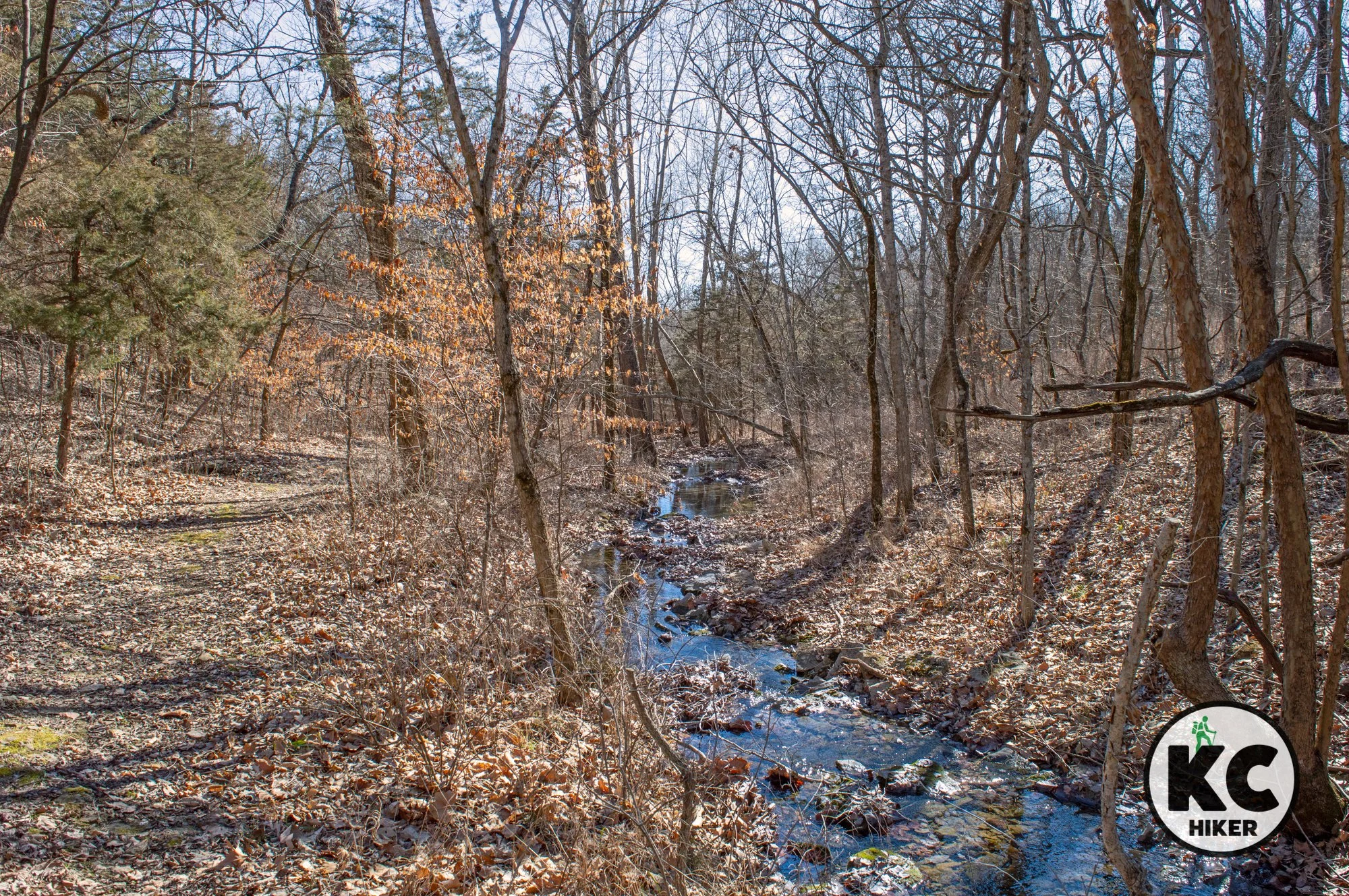

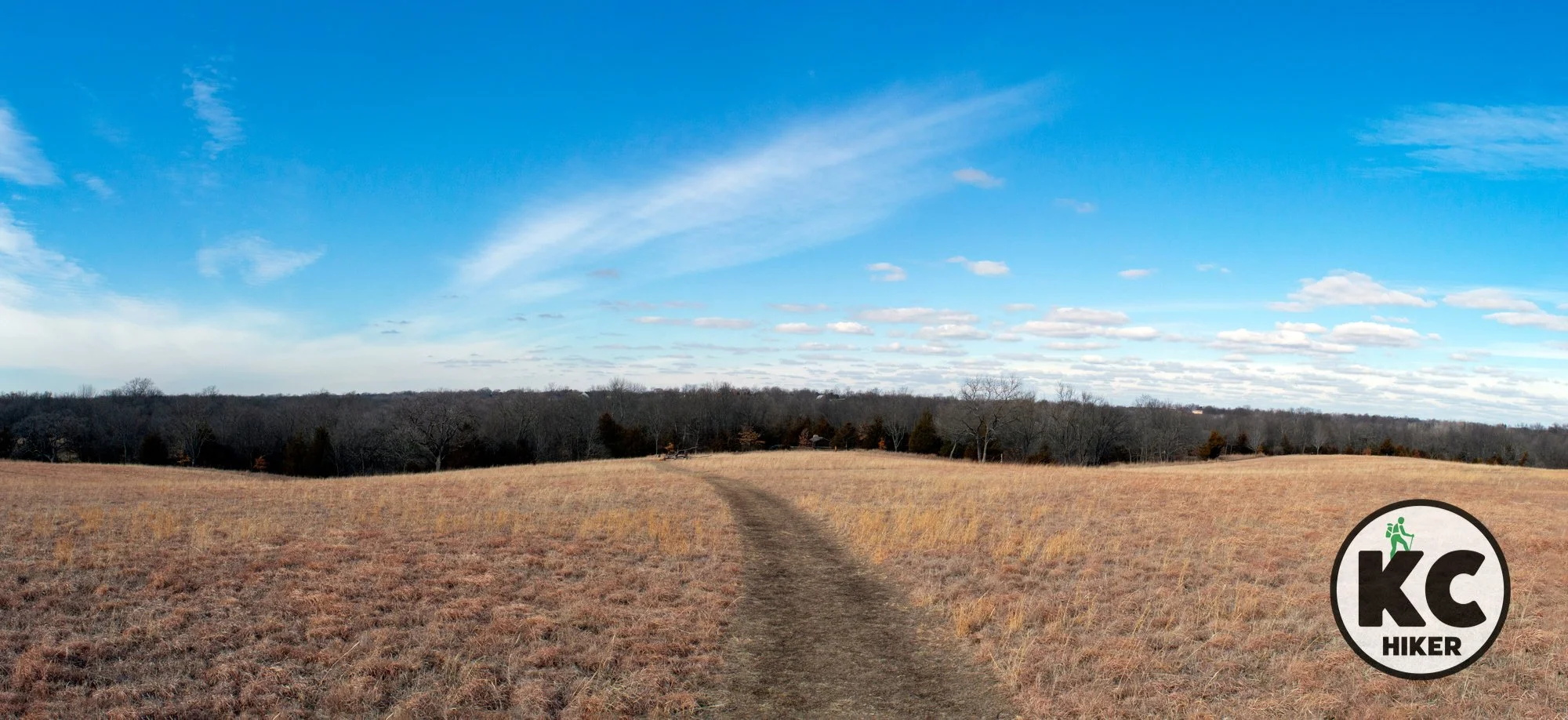
Iliff Commons preserves native prairie near Topeka
Iliff Commons, in the Flint Hills, is a private park opened to the public northeast of Topeka, Kan. The Iliff family makes the 80 acres available dawn to dusk, 365 days a year. Owners are gradually returning the property to its native tallgrass prairie state. It’s open to walking, running, cross-country skiing, and mountain biking.

Iliff Commons and Trail, Topeka, Kansas
This private prairie park is open to the public.
Trail Iliff Commons
Overview
Iliff Commons, in the Flint Hills, is a private park opened to the public northeast of Topeka, Kan. The Iliff family makes the 80 acres available dawn to dusk, 365 days a year. Owners are gradually returning the property to its native tallgrass prairie state. It’s open to walking, running, cross-country skiing, and mountain biking. The hilly terrain is part forest, part prairie. The area rises about 150 feet above the Kaw River Valley and the Topeka skyline is visible in the distance. This remote location includes deer, wild turkey, fox, bobcat, and others. You may also see red-tailed hawks and bald eagles.
Drive Time It’s about one hour from Downtown Kansas City.
Length The outer loop of the trail is about 1.5 miles long. However, there are numerous spurs and side trails that can expand the length of your walk.
Address and location
The area is located on a gravel road at NE 31st St, Topeka, KS 66617. A gravel parking lot is available.Conditions This is a natural surface trail, but it’s well maintained. In wet or thawing weather, it will be muddy and slippery. We include a map below and you can also find it on the AllTrails app. However, the park is not huge and it’s unlikely you’ll get lost.
Kid friendly? Kids who can walk will enjoy this trail. It’s not stroller-friendly. There are a few attractions for children, including a log cabin, treehouse and swing. In addition, unique folk art objects are located throughout the park on the trail.
How busy? This is a moderately-trafficked trail.
Pets Yes, on a leash, unless stated otherwise..
Official website Iliff Commons
Topeka-area hiking destinations


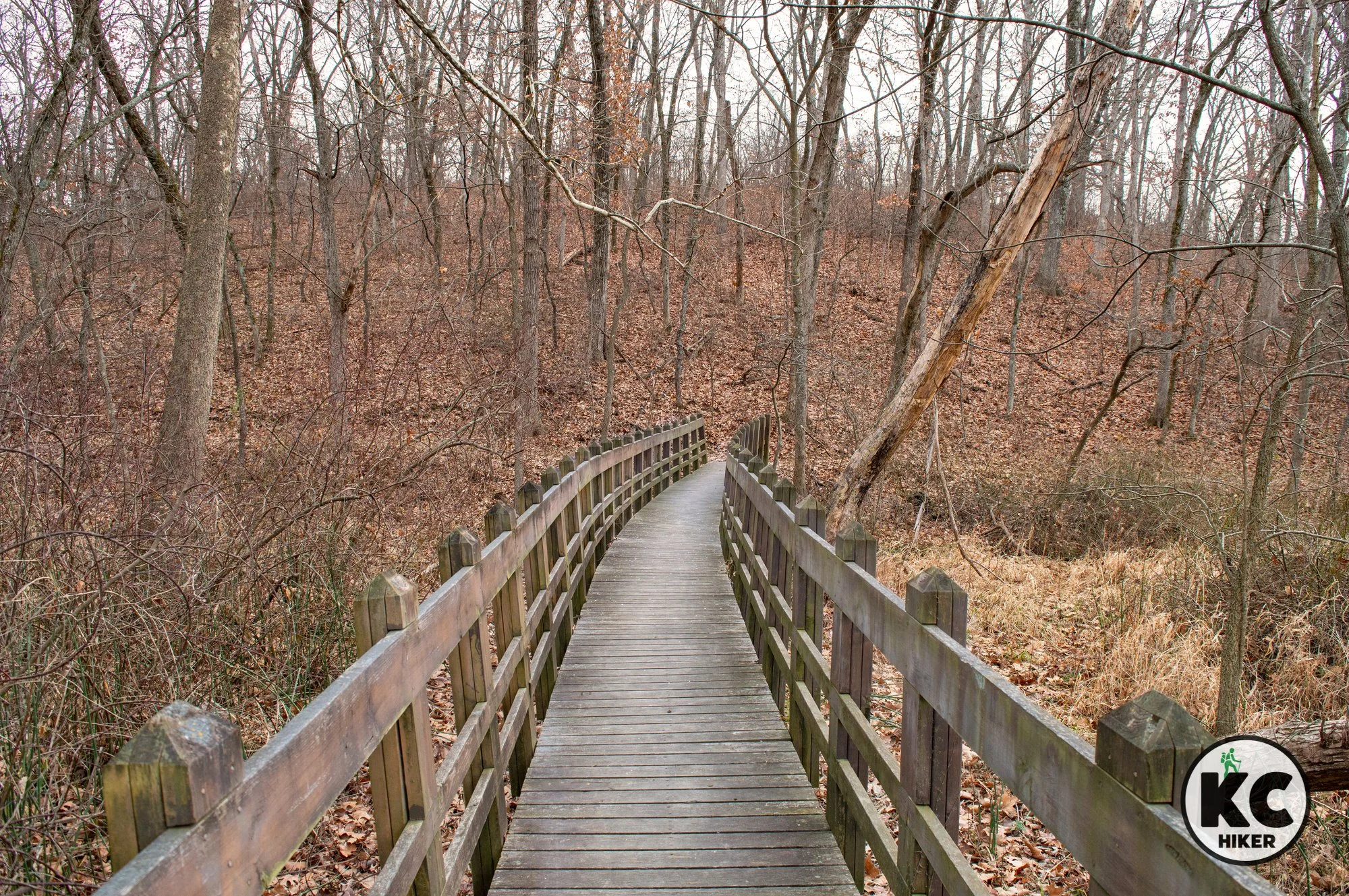
Hike rolling, wooded hills at Wallace State Park
Wallace State Park isn’t one of Missouri’s big draws. And that’s a good thing for the rest of us who travel there for nature and solace. North of the KC area in Clinton County, Mo., it’s less than an hour from Downtown Kansas City. Visitors will be rewarded with looping trails that cut through 500 acres of gently rolling, forested hills.

Wallace State Park, Clinton County, Mo.
You could easily miss this state park as you race by on I-35. A detour can lead you to 8 miles of trails through forested, rolling hills and beside quiet streams.
Trail Wallace State Park
Overview
Wallace State Park isn’t one of Missouri’s big draws. And that’s a good thing for the rest of us who travel there for nature and solace. North of the KC area in Clinton County, Mo., it’s less than an hour from Downtown Kansas City. Visitors will be rewarded with looping trails that cut through 500 acres of gently rolling, forested hills. A central element of the park is Deer Creek and its tributaries. This clear stream is both rocky (with wet weather falls) and lazy/pastoral. Lake Allaman, bounded by a wooden walkway, is another attraction. In total, there are 8 miles of trails to explore this hidden gem.
Length There are 7.9 miles of trails with a dirt surface.
Address and location 10621 MO-121, Cameron, Mo., 64429. Wallace State Park is about 50 minutes from Downtown Kansas City.
Conditions Trails are packed dirt and well marked and maintained. Elevation gains are moderate.
Kid friendly? This trail is for children who can carry their own weight (or who are light enough to be carried).
How busy? This area is lightly trafficked.
Pets Yes, on a leash.
Bikes Yes unless indicated otherwise.


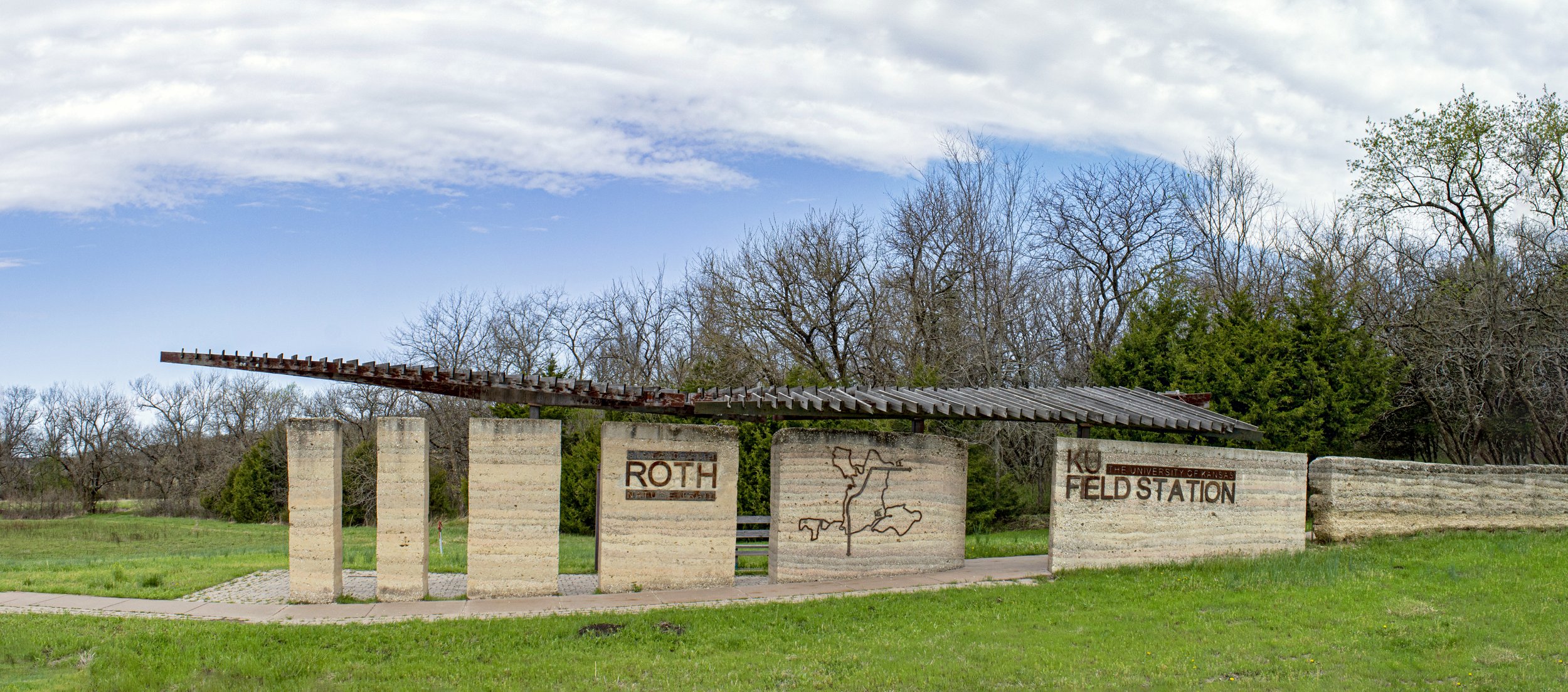
Take in sweeping views of the Kaw Valley at KU Field Station
KU Field Station is managed by the University of Kansas and is opened to the public. It features five miles of loops and side trails that explore rolling, forested hills and remnant native prairie. A highlight is a sweeping panoramic view of the Kaw Valley (with Lawrence in the distance) from an observation deck. The trail guide (which you can download below) features detailed biological observations about key points on the trail.

The KU Field Station includes more than 1,650 acres open for the public to explore through five miles of loops and extension trails.
This 1,650-acre research area, open to the public, offers five miles of forest and prairie just north of Lawrence.
Trail KU Field Station Trail System
Overview
This 1,650-acre research area is managed by the University of Kansas and is opened to the public. It features five miles of loops and side trails that explore rolling, forested hills and remnant native prairie. A highlight is a sweeping panoramic view of the Kaw Valley (with Lawrence in the distance) from an observation deck. The trail guide (which you can download below) features detailed biological observations about key points on the trail.
Drive Time It’s 47 minutes from Downtown Kansas City. Although I-70 is often the most direct route, you’ll have to pay a toll. In addition, a much quieter and more scenic route is the Kaw Valley Scenic Highway, also known as Kansas 32.
Length There are five miles of trails.
Address and location
Although there are several access points to the trail system, the most prominent is the Roth Trailhead, E. 1600 Road, Lawrence, Kan., 66044. It includes a gravel parking area.Conditions This trail has several types of surfaces, depending on the area. The Rockefeller Prairie Trailhead (download the map below) includes a 0.4-mile paved trail. Other surfaces are gravel and dirt. The trail is well marked and easy to follow. The main routes are generally clear of debris and overgrowth. However, some of the less-trafficked loops are narrow, sometimes overgrown and can be infested with ticks and “no-see-ums.” There are moderate elevation changes with a few short but steep grades. The topography generally consists of rolling hills.
Kid friendly? This trail is of moderate difficulty and will likely be enjoyed children who can carry their own weight. The Rockefeller Prairie Trail (0.4-miles) is paved. The other trails are not stroller friendly.
How busy? This trail system is moderately trafficked.
Pets are prohibited.
Bikes are prohibited.


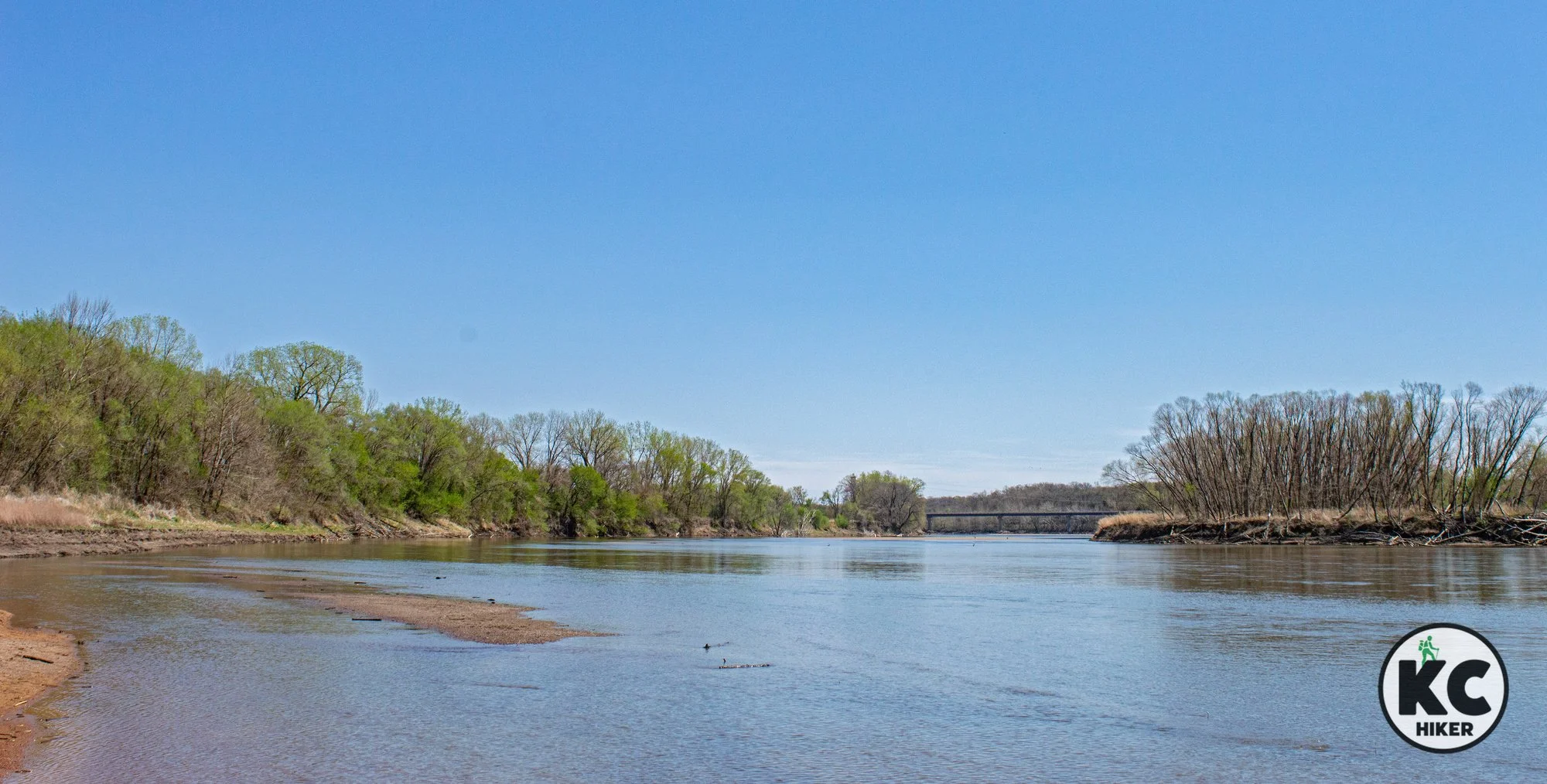
The Willkomm Trail loops the meandering Kaw River
The Willkomm Trail (German for “welcome”) is a remote respite for nature lovers. Immediately south of the small town of Perry, this 1.5-mile loop gently explores pristine Riparian forest on its way to the shoreline of the Kaw (Kansas) River.

Get off the beaten path and dip your toes in Kansas’ unofficial beach.
Trail The Willkomm Trail, Perry, Kan.
Overview
The Willkomm Trail (German for “welcome”) is a remote respite for nature lovers. Immediately south of the small town of Perry, this 1.5-mile loop gently explores pristine Riparian forest on its way to the shoreline of the Kaw (Kansas) River. The Kaw has numerous sandbars along its 150-mile journey, and the Willkomm is home to one of these Midwest “beaches.” Only a few hundred yards east of the trail, the Delaware River pours into the Kaw. The location is prime for wildlife viewing, mushroom hunting and simply absorbing the quiet of the Kaw Valley. Since this trail is less than an hour’s walk, it may not be a solo destination. But there are plenty of hikes in the nearby Lawrence area to fill a full day with nature.
Drive Time It’s 55 minutes from Downtown Kansas City.
Length The loop is 1.5 miles long.
Address and location
The address is simply “County Road, Perry, Kan., 66073.” Once you reach Perry, take Front Street to County Road, then head south on a gravel road for about one mile. There is a gravel parking lot at the entrance as well as a trailhead sign.Conditions This is a sandy, dirt path. However, elevation changes are minimal and it’s easy to navigate. When it rains or snows, it will be muddy and slick.
Kid friendly? Children will need to be able to walk (it’s not stroller friendly), but the trail is short and easy. The sandbar could be delightful to kids, but parents will need to mindful that the Kaw is a large river with a strong current.
How busy? This trail, on our first visit, was surprisingly well-trafficked by spring mushroom hunters. Given its remote location, we assume that most of the time it’s a quiet place.
Pets Yes, on a leash, unless stated otherwise..
Website City of Perry, Kan.


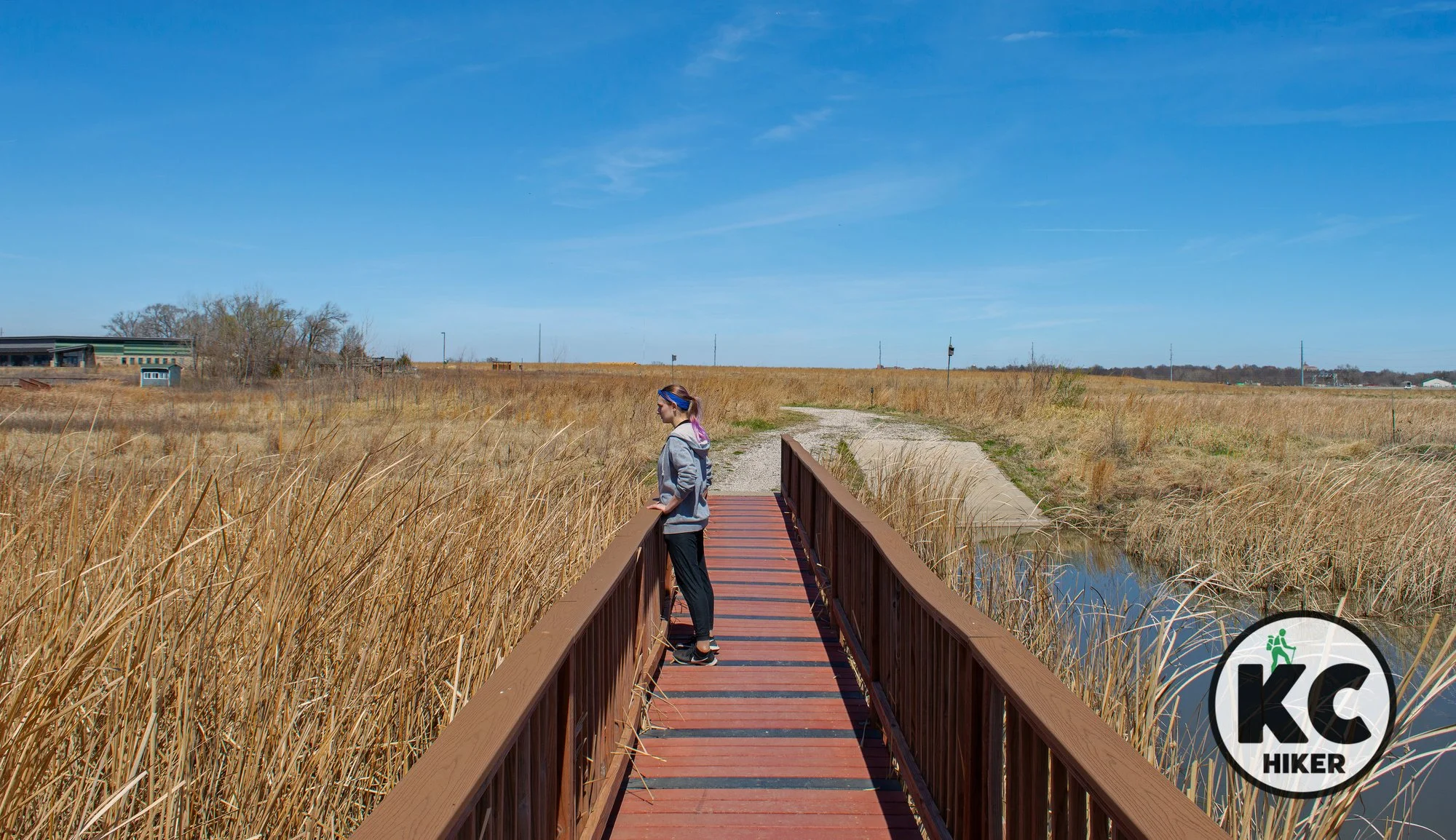
Wildlife and wetlands come alive at the Baker Center
Hundreds of species inhabit the 900 acres at Baker University Wetlands next to the Wakarusa River in Lawrence, Kansas. Visitors can explore the refuge on 11 miles of trails.

Baker University Wetlands and Discovery Center, Lawrence, Kansas
Hundreds of species inhabit the 900+ acres of wetlands next to the Wakarusa River.
Trail Baker University Wetlands and Discovery Center
Overview
Baker University Wetlands & Discovery Center is associated with Baker University, which is about 10 miles south in Baldwin City, Kan. However, it’s only a stone’s throw from Lawrence and borders K-10 Highway. You’ve likely driven by it many times without knowing it’s there. Don’t make that mistake again. The wetlands include more than 900 acres of ponds, waterways and borders the Wakarusa River. The center’s 11 miles of trails make it easy to explore. Observation blinds provide an opportunity to observe nature without disturbing it. It’s been named the most beautiful place in Kansas by House Beautiful magazine. Give the Baker Wetlands time and you’ll experience wildlife, wildflowers and serenity.
At the wetlands, researchers have identified:
278 species of birds
487 plant species
98 vertebrates (fish, birds, mammals, amphibians, and reptiles)
Let us know what you discover.
Drive Time It’s 45 minutes from Downtown Kansas City.
Length There are 11 miles of trails.
Address and location
The Baker University Wetlands is located at 1365 N. 1250 Road, Lawrence Kan., 66046. The Discovery Center is a visitor’s building open limited hours. However, the trails are open sunrise-sunset. In addition to parking in the visitor’s center lot, there are other access points (see the map below).Conditions This trail has sections that are paved, gravel and dirt. However, it’s well-marked and maintained. It’s extremely flat with minimal elevation changes. Wooden boardwalks and bridges are interspersed throughout the .
Kid friendly? This is an easy trail that’s accommodating to children. Heavy-duty strollers should probably be feasible (it depends on you and the stroller).
How busy? This is a large area with nearly 1,000 acres, but it’s near Lawrence, Kan., so can experience an influx of visitors. If you want a more solitary experience, plan your trip in off days, hours or seasons.
Pets Yes, on a leash, unless stated otherwise (no dogs on the boardwalks).
Bikes Yes.


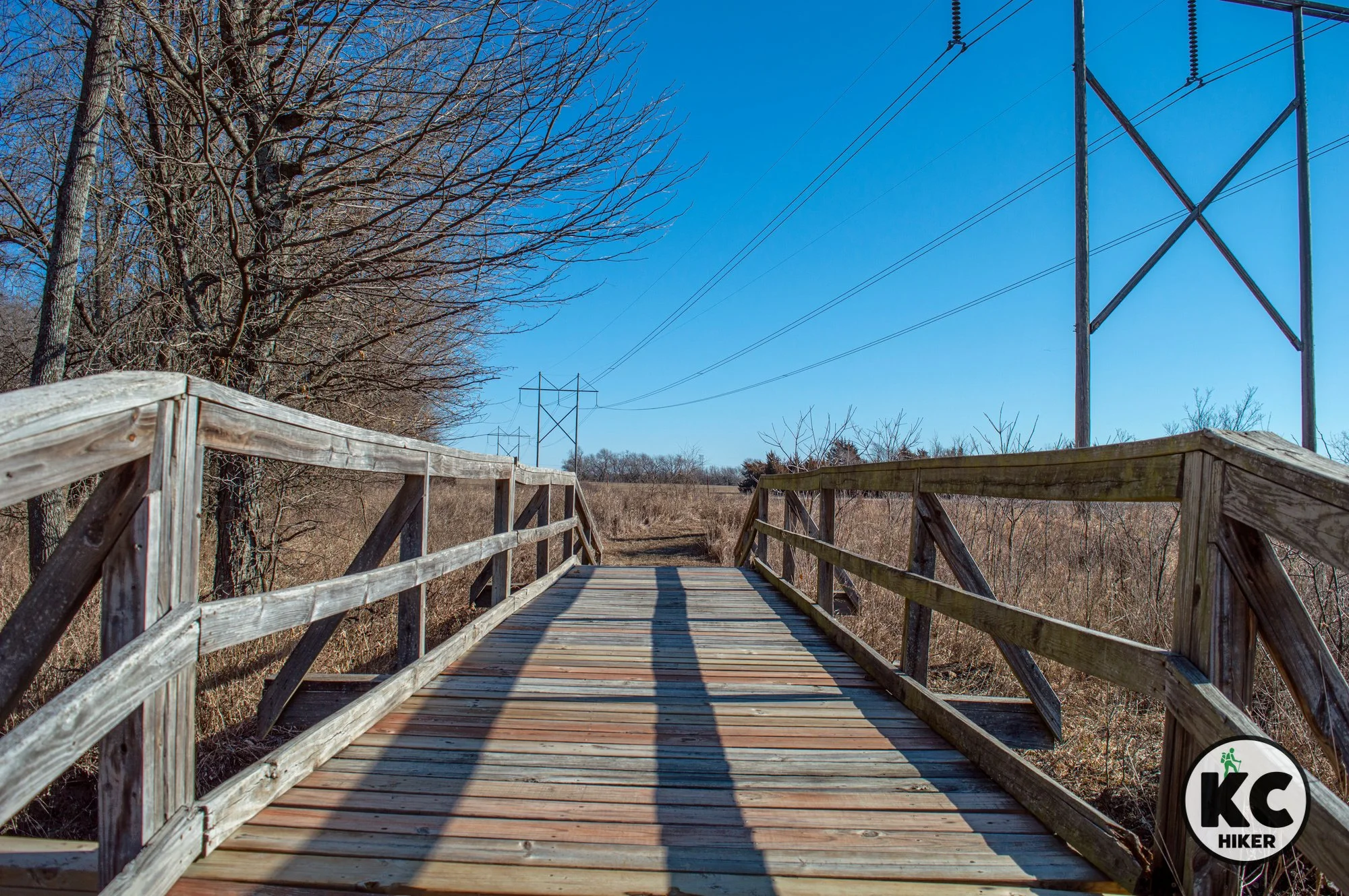
Explore the Kansas prairie at Wolf Creek
The 160-acre Wolf Creek Environmental Education Area gives visitors the opportunity to experience natural Kansas up close. It’s home to numerous varieties native wildlife and wildflowers. A highlight is the “silo” Eagle’s Nest wildlife viewing tower, which allows you to climb 65 stairs for a hawk’s view of the landscape.

This environmental education center includes a lookout tower and 3 miles of trails bordering Wolf Creek Reservoir.
Trail Wolf Creek Environmental Education Area
Overview
This remote prairie preserve gives visitors the opportunity to experience natural Kansas up close. It’s home to numerous varieties native wildlife and wildflowers. A highlight is the “silo” Eagle’s Nest wildlife viewing tower, which allows you to climb 65 stairs for a hawk’s view of the landscape. The 160-acre area is split into two sections. The silo is on the west side. The east side is accessed by a gated trailhead. If it’s locked, you can continue your journey on foot via the access road, then resume walking on the trails. Both areas contain bridges and boardwalks. Download our map to make the most of your experience.
If you want a more diverse experience, Wolf Creek Environmental Education Area is about 30 minutes from Eisenhower State Park. Visits to the two locations can easily be combined on the same day.
Drive Time It’s 90 minutes from Downtown Kansas City.
Length There are five trails, totaling about 3 miles in length.
Address and location
The eastern trailhead is on the north side of 17th Road NE at the intersection of Milo Lane. The west trailhead is a gated driveway that appears immediately after crossing the lake eastbound. The nearest landmark is the Eisenhower Training Center, which is a building owned by Evergy, the utility company. The Google map and trail map below may also be of assistance. The nearest community is New Strawn, Kan.Conditions This is a well-preserved trail that even has – wait for it – restrooms at the east trailhead. Trails are natural surface and are generally well-marked and maintained. There are few elevation changes.
Kid friendly? This is a natural surface trail, so children will need to walk or be carried.
How busy? This is remote area, so you are likely to have it to yourself unless there is a youth group visiting.
Pets Yes, on a leash, unless stated otherwise
Bikes Yes.


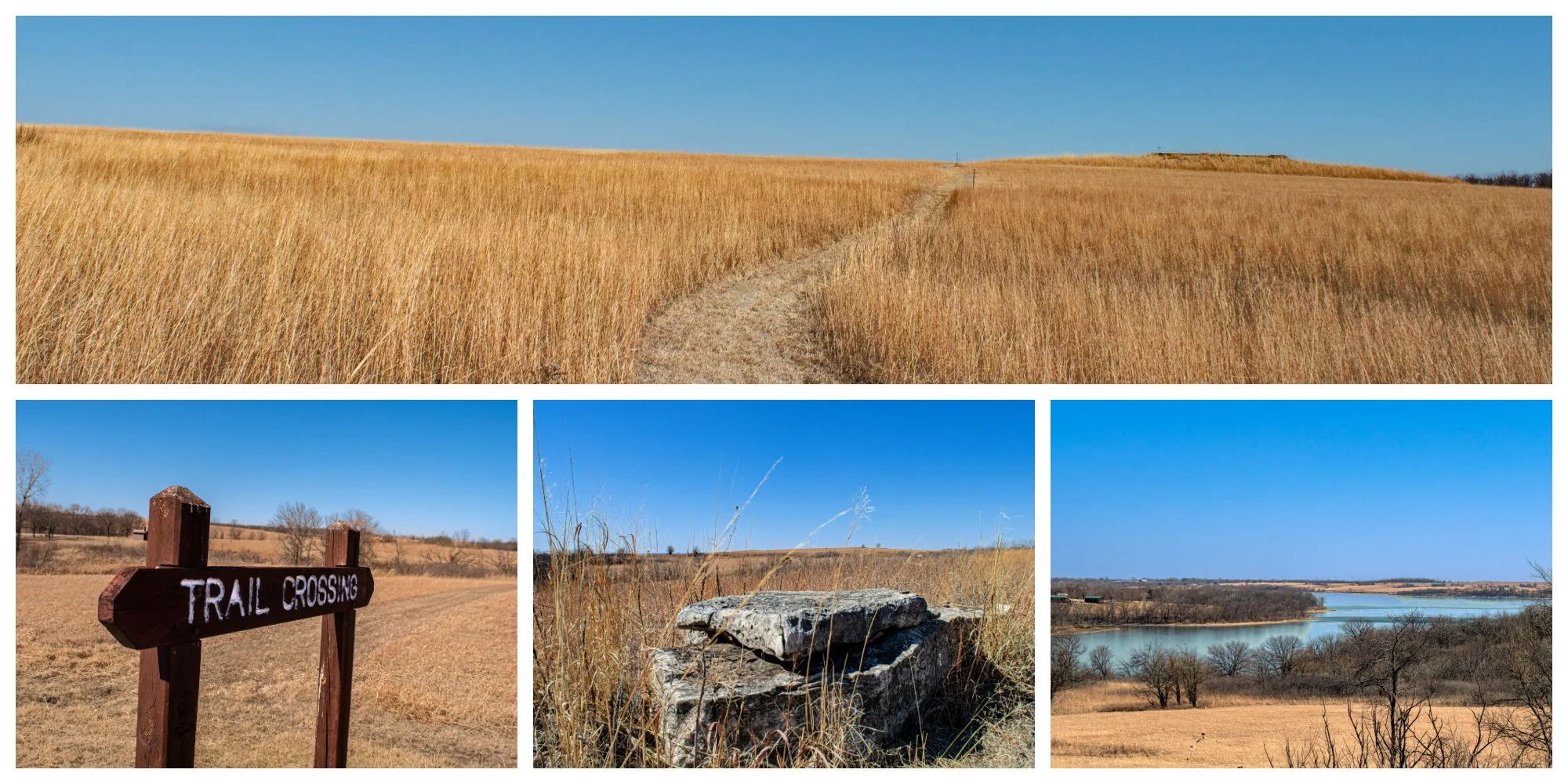
Eisenhower State Park straddles the Flint Hills and a miles of water
Nearly 30 miles of trails explore the rolling hills adjacent to Melvern Lake.

Eisenhower State Park, Kansas
Nearly 30 miles of trails explore the rolling hills adjacent to Melvern Lake.
Trail Eisenhower State Park trail system
Overview
Only 90 minutes from Downtown Kansas City, Eisenhower State Park brings visitors into the prairies and Flint Hills of central Kansas. This is big sky country. The park is 1,700 acres in size and is divided between prairie and woodland. It borders the gargantuan Melvern Lake – nearly 7,000 acres large. Alongside Melvern is additional Corps of Engineers land to explore. A highlight of Eisenhower State Park is the 20-mile, wild and rambling horse trail network. There are other trails, too, but they’re closer to camping areas and traffic. The Flint Hills in this area aren’t quite as elevated as their cousins to the west and south, but they still deliver serenity and a feeling of splendid isolation. In addition to camping, the park offers cabins and even yurts for rent (scroll below for the state park website)
Drive Time It’s 90 minutes from Downtown Kansas City to the Eisenhower State Park office.
Length There are about 30 miles of trails of varying types in the park.
Address and location 29810 S. Fairlawn Road, Osage City, Kansas, 66523
Conditions The horse trail, which is the longest, is a natural surface trail. That means it’s muddy when wet. Pedestrian and bike trails are gravel surfaced. All trails, including the horse trail, are well-marked and maintained. Although it’s easy to follow, the horse trail’s sheer size (20 miles) makes it easy to get disoriented. A map or GPS tool is recommended.
Kid friendly? There are many opportunities for children to enjoy these trails. The horse trail will require everyone to walk. Other trails may be more crowded but are also more accessible.
How busy? Holidays, weekends and warm weather increase the population of this park. The area is large enough, however, that remote hikers will have plenty of peace. If you want a quieter experience, avoid peak days and seasons.
Pets Yes, on a leash.
Bikes Yes (and horses).
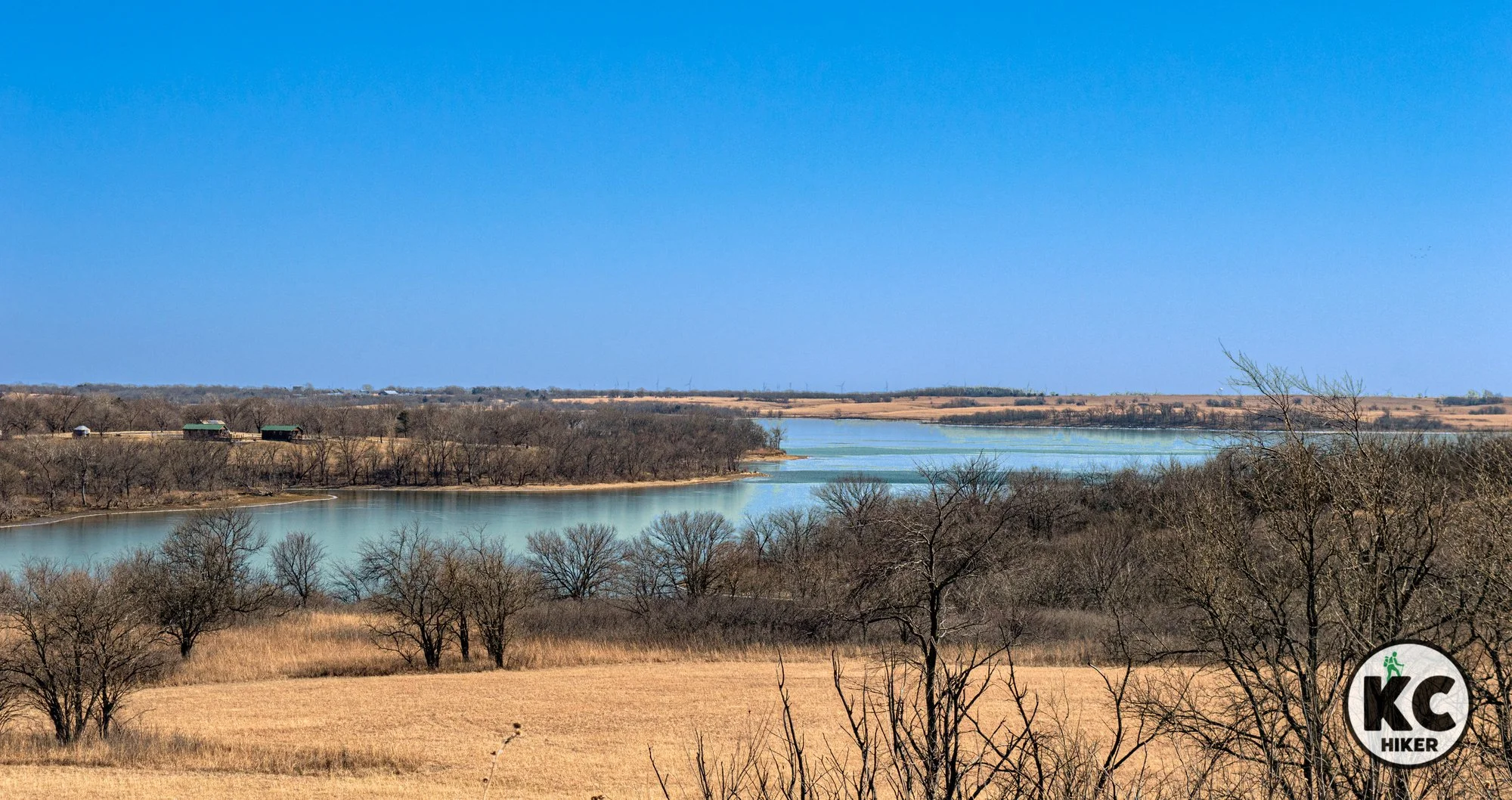


Flint Hills Trail: 100+ miles of pastoral delight
This 117-mile Flint Hills Trail is Kansas’ longest. In addition it’s the seventh-longest rail-trail in the United States. Mile zero is in Osawatomie. The trail stretches through rolling and pastoral scenery until it reaches Council Grove.

Flint Hills Trail, mile zero, Osawatomie, Kansas
Kansas’ longest trail stretches from Osawatomie to Council Grove.
Trail Flint Hills Trail
Overview
The Flint Hills Trail begins in Osawatomie, Kansas, in Miami County and will ultimately end in the small town of Herrington. It currently ends at the 92-mile marker in Council Grove. There’s plenty of serenity between Osawatomie and Council Grove, with the topography growing more rolling and scenic as you head west. This 118-mile rails-to-trail hiking and biking path was developed by the Kanza Conservancy. In addition to being Kansas’ longest trail, it is the seventh-longest rail-trail in the United States. One of its most-scenic sections runs along the Marais Des Cygnes River under towering, wooded bluffs (head west at the trailhead at 339th St. and Pressonville Road, Osawatomie as shown below).
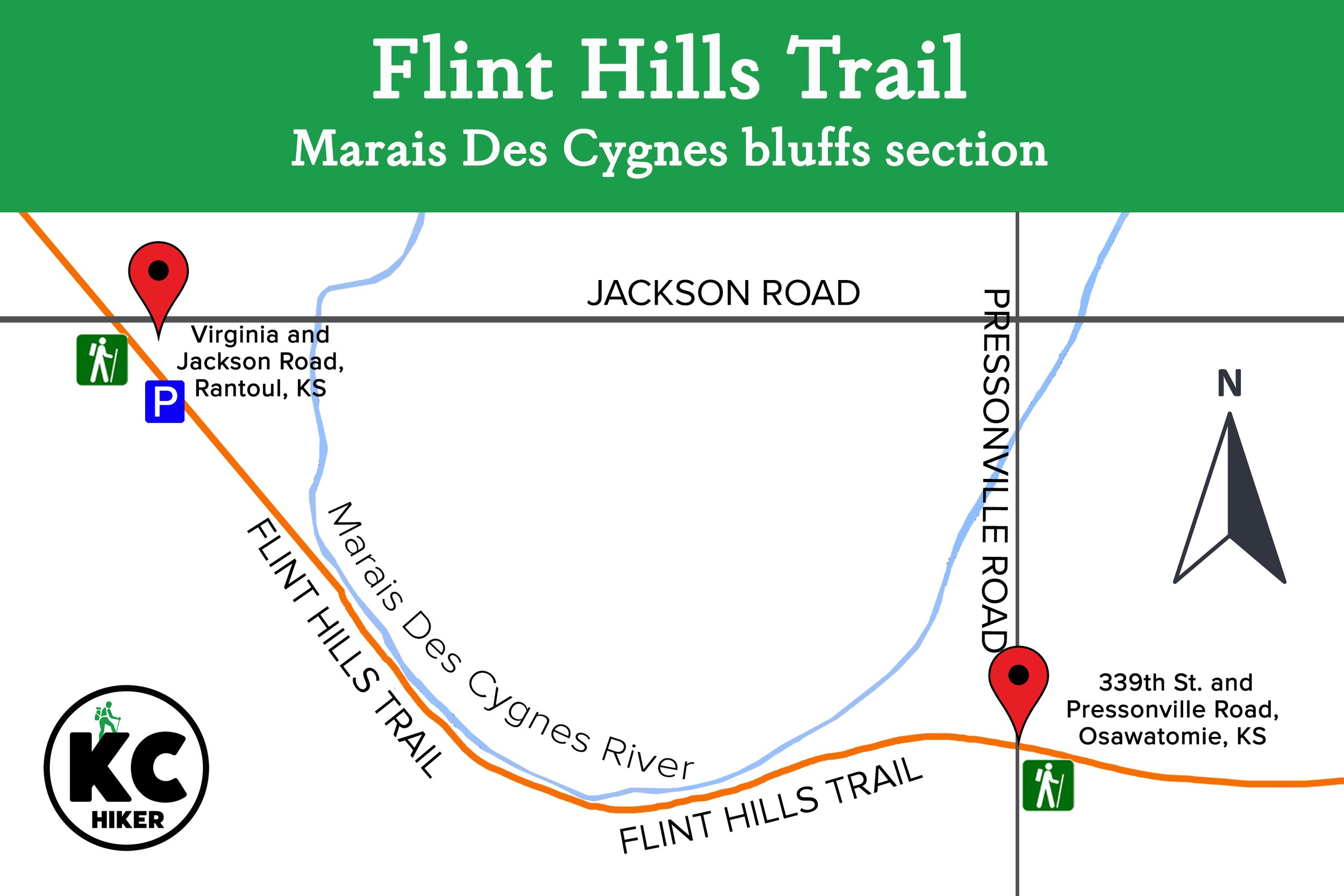
The river, which runs near the trail for miles, is a beautiful natural fixture in and of itself. The trail’s environment ranges from lonely pastoral landscapes, to farmer’s backyards to wooded enclaves. The area is rich in both Native American and United States history and figured centrally in the Civil War. The “mile zero” trailhead in Osawatomie is about 10 miles from Ottawa, population 12,000. Ottawa is the largest city along the trail and provides ample services. If you’re biking, then riding to Ottawa, eating lunch and returning is a reasonable plan for the day. Bikes can also be rented in Ottawa.
The trail encounters increasingly hilly terrain as it progresses west. Highlights include scenic views west of the Bushong Trailhead and an offramp at the Kaw Nation Memorial.
The trail runs through communities including Rantoul, Ottawa, Pomona, Vassar, Osage City, Miller, Admire, Allen, Bushong, and Council Grove. It passes through five counties: Miami, Franklin, Osage, Lyon, and Morris.
Read more about different sections of the trail in our blog post on the Flint Hills Trail.
External links
Drive Time The easternmost trailhead, in Osawatomie, Kan., is 59 minutes from Downtown Kansas City. If you choose to start on the western side, in Council Grove, the drive is about two hours.
Length 118 miles
Address and location The trail can be accessed at 13 points from Osawatomie in the east to Herrington in the west. (Note: If you are planning to begin in Osawatomie and using Google Maps, it will take you to a residential address with no trail access. Instead, plug in the coordinates for Karl E. Cole Sports Complex, 900 12th St, Osawatomie, Kan., 66064. The trailhead is marked and can be found on the southwest side of the park. You can leave your vehicle right next to it.)
Conditions The trail is made of crushed gravel and is well marked and maintained. Elevation changes are minor. In wet weather, the trail is still passable and open, but will be soggy. The only “hazard” may be the occasional excited farm dog.
Kid friendly? This is a quiet, flat trail with no obstacles for children.
How busy? Much of this area is rural and remote so traffic is sparse. In populated areas traffic may be moderate.
Pets Yes, on a leash.
Bikes Yes (and horses).
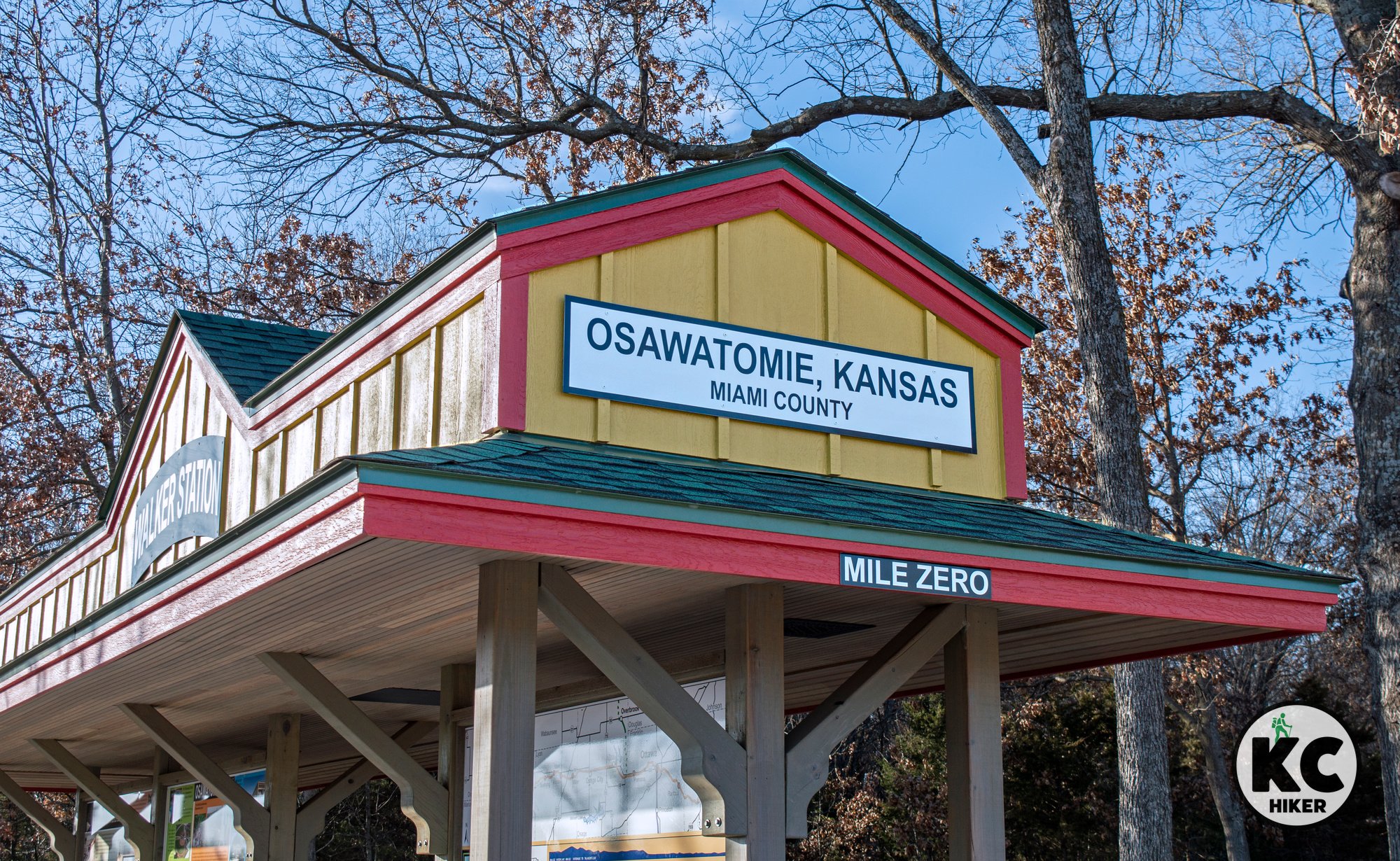


Osawatomie, Kansas, Trailhead

Serenity rules at Marais des Cygnes refuge
A state and federal wildlife refuge provide 15,000 acres to hike, canoe, fish and photograph.
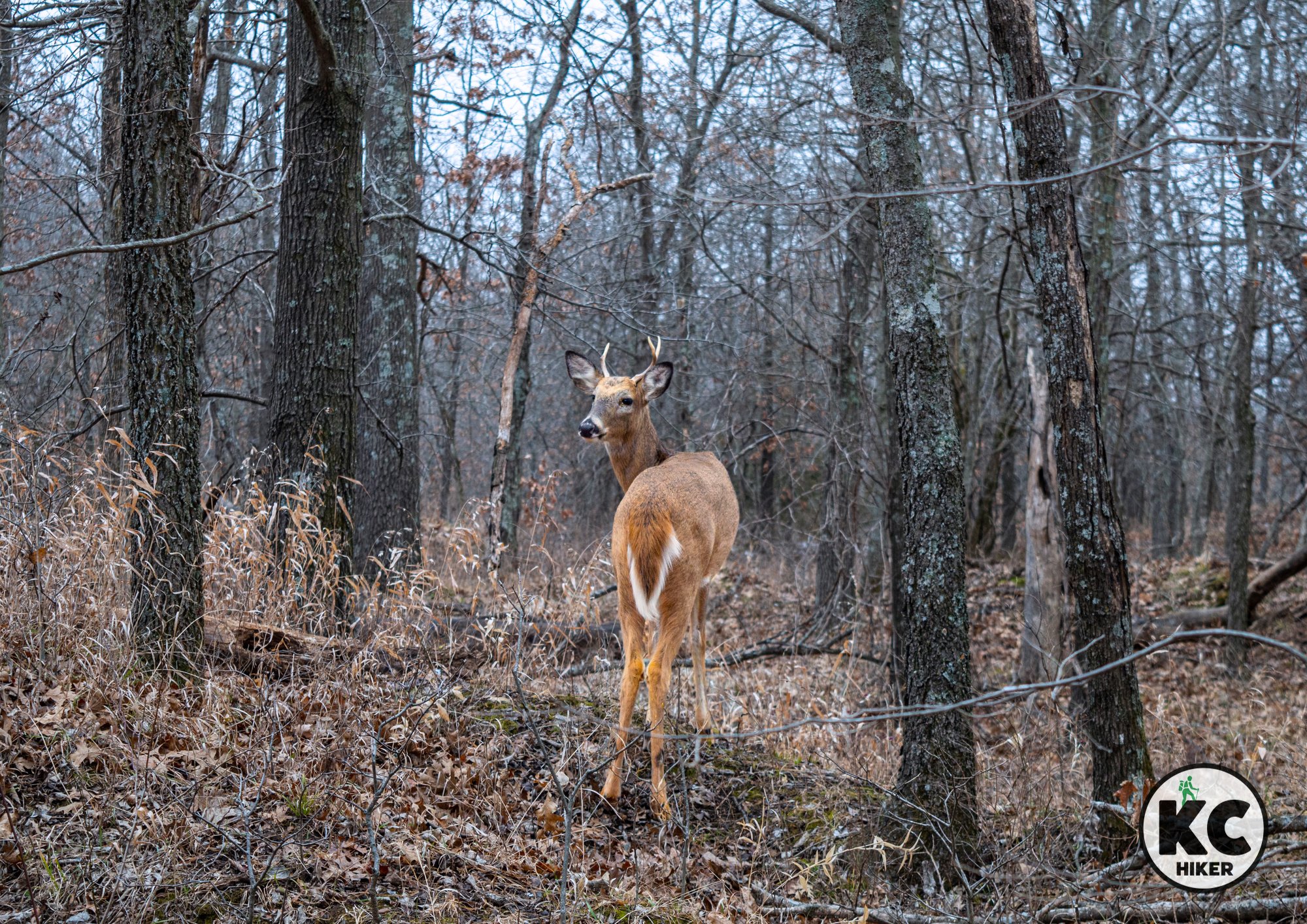
Marais des Cygnes National Wildlife Refuge
A state and federal wildlife refuge provide 15,000 acres to hike, canoe, fish and photograph.
Trail Marais des Cygnes National Wildlife Refuge and Marais des Cygnes (Kansas) Wildlife Area.
Overview
Marais des Cygnes (rhymes with “hooray machine!”) is the name of two adjacent wildlife refuges in eastern Kansas, about one hour from Downtown Kansas City. Both are open to the public and together comprise about 15,000 acres of wetlands, forest and hilly terrain. The centerpiece of the area is the Marais des Cygnes River. The name comes from both French and Osage names for the river, which translate to “where white swans are plentiful.” And the name says it all. The region is a major stopping point for migrating birds, including bald eagles and pelicans. Another resident of interest is the elusive flying squirrel.
The best word to describe the area rhymes with des Cygnes: serene. Bottomland hardwood forests cover much of the acreage, with the wide river cutting channels and leaving oxbow lakes behind it. The river is open to non-motorized boating. The state wildlife refuge is home to 200-foot hills that overlook the river near the village of Trading Post. In addition, reservoirs have been created to provide additional habitat.
Drive Time The area is about one hour from Downtown Kansas City.
Length There are about 6 miles of trails in the national wildlife refuge. The state refuge has no trails, but access is available through gravel service roads. Visitors are welcome to go off trail and explore, but be mindful of hunting seasons. See our trail map below for tips on where to hike.
Address and location Marais Des Cygnes National Wildlife Refuge, 16382 US-69, Pleasanton, KS 66075
Conditions Trails are well marked and generally consist of dirt roads and mowed pathways. See our map below for tips on the best areas to explore.
Kid friendly? This area would be a bumpy ride for strollers, so kids will need to be able to carry their own weight.
How busy? This is a remote area, but is popular with sportsmen, so time your visit to avoid major hunting season activity.
Pets Yes, on a leash.
Bikes No
Official websites


Coronado Heights: steeped in history and horizons
Coronado Heights sits atop a 300-foot-tall butte in Kansas’ Smoky Hills, near Lindsborg. Trails and a WPA-built picnic facility provide sweeping vistas of the prairie. The area is, at least to some degree, associated with Spanish explorer Coronado, who passed through the region in 1540. Searching for fabled cities of gold, he was surely disappointed in Kansas. Coronado went on to became the first European to see the Grand Canyon. Archeological finds, including chain mail, coins and explorers’ gear, tie Spaniards to the area.

Coronado Heights near Lindsborg, Kansas
It’s thought that Coronado, a conquistador, climbed this 300-foot butte around 1540. Regardless, you can scale it today.
Trail Coronado Heights trail system
Overview
Coronado Heights is a gem of backroads Kansas. And that’s part of its appeal. The 300-foot-tall butte rises above the plains near Lindsborg. On a clear day, you can see for miles. Several trail loops ring the cedar groves at the top of the hill and wind down around its base. If that were all, Coronado Heights would be worth visiting. But there’s legend as well. Spanish Conquistador Francisco Coronado came through the area in about 1540, searching for cities of gold. It’s theorized that he spent some time on Coronado Heights, surveying the area. Beyond legend, there’s hard evidence the Spaniards were here: Chain mail from their armor, coins and explorers’ gear have been found in the area.

Statue of a conquistador (not located at Coronado Heights).
Coronado did not build the monument at the top of the butte. It’s actually a picnic shelter built by another icon, President Franklin D. Roosevelt in 1936 (well not him, but his Works Progress Administration). Coronado went on to become the first European to see the Grand Canyon. But after finding no gold in Kansas, he threw up his hands and headed south to Mexico.
Coronado Heights is a must-see if you’re in central Kansas (Salina is the closest large town). It’s not a standalone destination however, more like a place to spend a half day. The good news is it’s close to several premiere Kansas hiking attractions: Kanopolis State Park and Mushroom Rock State Park. If you need a place to eat or want to shop, Lindsborg is a uniquely Swedish town famous for its artistic Dala horse creations.
Drive Time Coronado Heights is three hours from Downtown Kansas City.
Length There are about 2 miles of trails; if you wish to walk more you can backtrack some of the loops. There are also extensive hiking opportunities at Kanopolis State Park.
Address and location Coronado Heights Park, Smoky View, Kan., 67442.
Conditions The trails are natural surface and easy to find and follow, though they are largely unmarked. They are slippery after rain or snow. There are moderate elevation changes.
Kid friendly? Kids will need to be able to walk on their own.
How busy? On holidays and during warm weather, this trail gets moderate traffic. If you want a less-trafficked experience, visit on a weekday or in the offseason.
Pets Yes, on a leash.
Bikes Yes


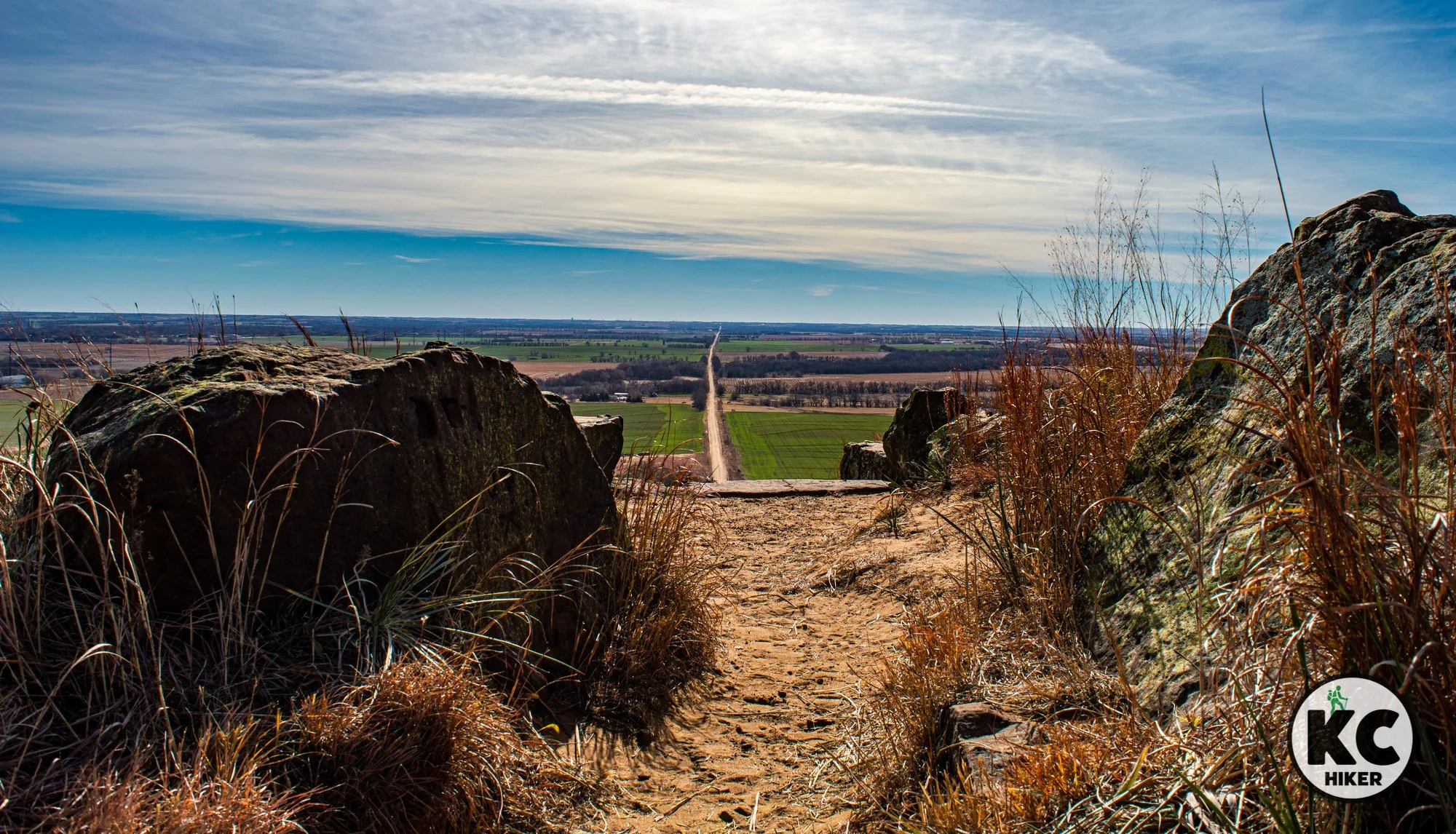


Kanopolis State Park: Where the plains meet the Wild West
Kanopolis State Park, near Salina, Kan., is where the Wild West meets the plains. This park, when combined with the adjacent Smoky Hill Wildlife Area, consists of a sprawling 16,000 acres with 30 miles of trails. Set in the Smoky Hills, Kanopolis is marked by red sandstone outcroppings, overhangs and secluded canyons. Clear prairie streams trickle toward Kanopolis Lake.
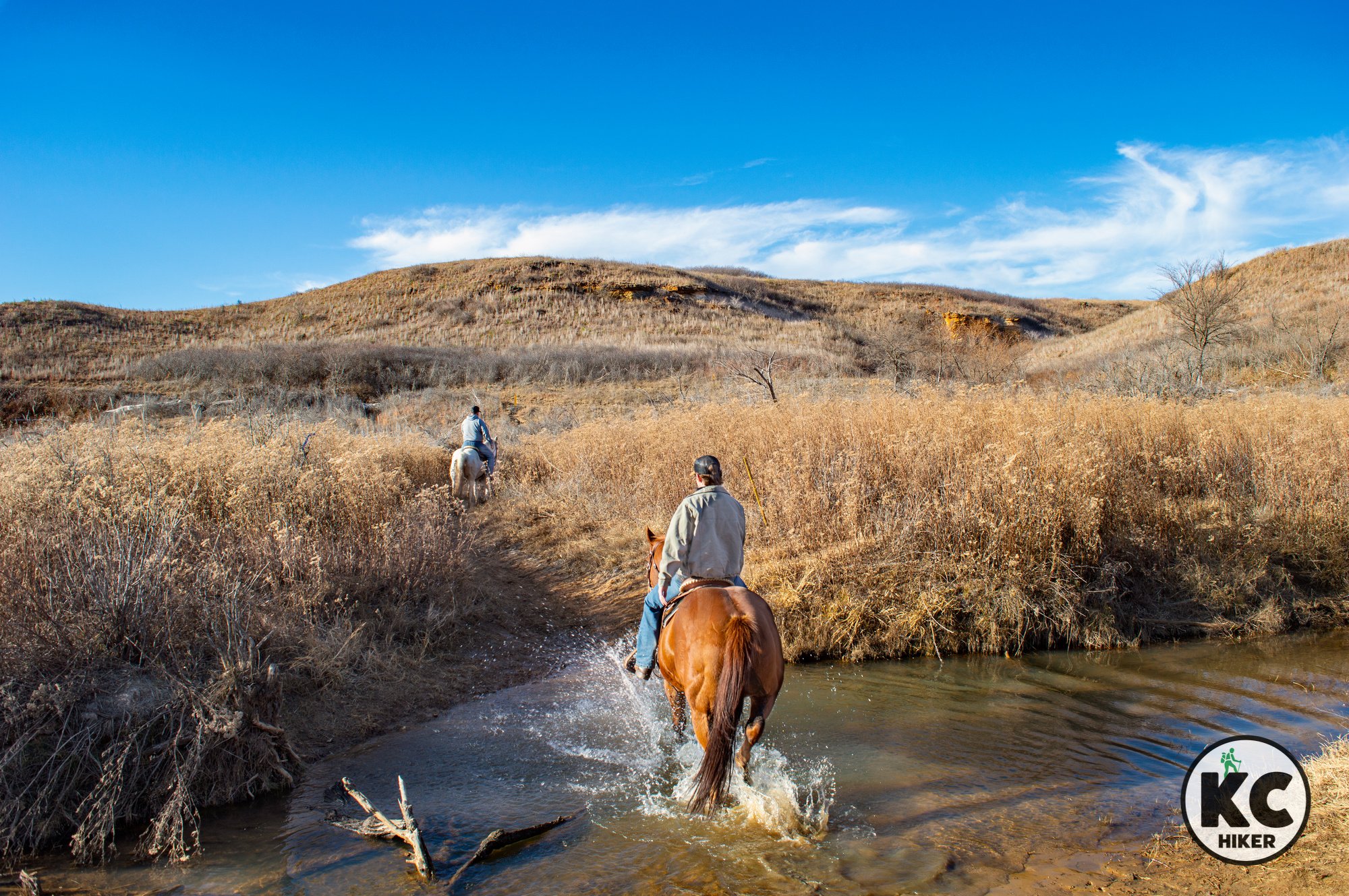
Kanopolis State Park, near Salina, Kansas.
Explore canyons, rocky bluffs and pristine prairie in the shadow of great figures of the past.
Trail Kanopolis State Park Trail System
Overview
Kanopolis State Park, near Salina, Kan., is where the Wild West meets the plains. This park, when combined with the adjacent Smoky Hill Wildlife Area, consists of a sprawling 16,000 acres with 30 miles of trails. Set in the Smoky Hills, Kanopolis is marked by red sandstone outcroppings, overhangs and secluded canyons. Clear prairie streams trickle toward Kanopolis Lake. The place retains an aura of Western history: It was originally populated by Native American tribes of Pawnee, Cheyenne, Apache and Kiowa. They camped in these canyons and left petroglyphs describing their life hunting game. After them, famous personalities who passed through the area include George Custer, Buffalo Bill Cody and Wild Bill Hickok. Just the name Horse Thief Canyon, which trails run through, evokes the mystique and majesty of this place. Beyond the trails, the park’s attractions include Kanopolis Reservoir and a prairie dog colony.
Drive Time Via I-70, Kanopolis State Park is three hours and fifteen minutes from Downtown Kansas City.
Length There are 30 miles of trails in the park and nearby wildlife refuge.
Address and location Kanopolis State Park, 200 Horsethief Road, Marquette, Kan., 67464
Conditions Most trails are natural surface, but well marked and maintained. There are moderate elevation gains.
Kid friendly? Kids will need to be able to walk on their own.
How busy? On holidays and during warm weather, this trail gets moderate traffic. If you want a less-trafficked experience, visit on a weekday or in the offseason.
Pets Yes, on a leash.
Bikes Yes unless indicated otherwise.
Other area attractions
Mushroom Rock State Park, a small tract containing highly unusual, stunning rock formations, is nearby and is a must-see if you’re in the area.
Wilson Lake State Park is the home of miles of mountain bike and hiking trails. It’s home to sandstone cliffs, outcroppings and spires. It’s about one hour northwest of Kanopolis.
Coronado Heights is a butte in the Smoky Hills that may have been visited by the 16th century explorer. It includes a trail system that surrounds the butte.
Smoky Hill Wildlife Area
Because of its remoteness, Kanopolis is not a crowded park. However, if you really want to get away from it all, begin at the Smoky Hill Wildlife Area instead of the main park. The refuge borders the park to the west. You’ll experience the same type of terrain, but with fewer people. The main trail is a dirt road that leads into the park through the “back door” of Red Rock Canyon. There are several other trails in refuge, but it’s easy to get lost and they can be overgrown in summer. For the most reliable trail, begin at the Alum Creek Trail and Prairie Trail trailhead, which is mapped and pictured here. Then follow it as far as you want.


Mushroom Rock State Park is 10 miles from Kanopolis State Park in Kansas.

The Elk River Trail explores the Kansas you never knew
The Elk River Trail doesn’t seem like something you’d find in south central Kansas. Or, if you believe popular lore, anywhere in Kansas. But we’re richer because it does. This 15-mile trail is in the vicinity of Independence, Kansas, in Montgomery County. It begins at Elk City Lake and winds along clifftops, through ravines and forest and finally traverses the banks of the Elk River. There’s not a dull moment.

The 15-mile Elk River Trail, near Independence, Kansas.
Forested limestone cliffs and hills rise 200 feet above Elk City Lake, offering a 15-mile backpacking experience.
Trail Elk River Trail
Overview
The Elk River Trail doesn’t seem like something you’d find in south central Kansas. Or, if you believe popular lore, anywhere in Kansas. But we’re richer because it does. This 15-mile trail is in the vicinity of Independence, Kansas, in Montgomery County. It begins at Elk City Lake and winds along clifftops, through ravines and forest and finally traverses the banks of the Elk River. There’s not a dull moment.
The highlands, known as the Chautauqua Hills, rise up to 200 feet above the surrounding area. You can begin at the east trail head (on the lake) or the west trail head (near a bridge over the Elk River). There’s also a trailhead in the middle. Although the Elk River Trail is 15 miles long, you don’t have to hike the whole thing. Just pick a section and do an out-and-back. Through-hikers will be glad to know primitive camping is allowed anywhere along the trail, a privilege afforded by the U.S. Army Corps of Engineers, which owns the property. Campers seem to have done an excellent job of practicing “leave no trace,” with almost zero trash visible.
On the trail, you will be roughing it with very few “exit” ramps except a gravel road or two. Even then, you’ll have to walk for miles to get back to civilization. But you won’t want to leave. Cedar forests, rock outcroppings, boulders, a wide river and scenic lake beckon you forward. The Corps estimates the hike – each way – is 11 hours. From our personal experience, several more hours are needed. But why rush?
If you’re short on time, where should you start? Our recommendation is to hop on the east trail head, which immediately ascends into cliffs, boulders, woods and sheer joy.
Bonus
This trail can be combined with nearby Elk City State Park, which also provides challenging and scenic trails.
Length The Elk River Trail is 15 miles, each way. If you choose to explore nearby Elk City State Park, there are several more miles (and shorter trails) available.
Distance The drive to the east trailhead takes a little under three hours. The nearest town with services is Independence, Kansas. Accommodations are available in the area if you don’t want to camp in the woods.
Conditions This is a challenging trail. The surface is rock (much of it loose) and dirt. There are significant elevation gains and some minor rock climbing. It is well marked and maintained, so getting lost should not be an issue.
Kid friendly? Kids will need to be up for a strenuous hike.
How busy? On holidays and during warm weather, this trail gets plenty of traffic. If you want a less-trafficked experience, visit on a weekday or in the offseason.
Pets Yes, on a leash.
Bikes Yes unless indicated otherwise.
Official websites
Address and location The east, middle and west trail heads of the Elk River Trail are shown here. The east entrance is closest to the state park; the west entrance is adjacent to 160 Highway, just sough of Elk City.
EAST TRAILHEAD, ELK RIVER TRAIL
MIDWAY TRAILHEAD, ELK RIVER TRAIL
WEST TRAILHEAD, ELK RIVER TRAIL


View four states from Star School Hill Prairie
Star School Hill Prairie Conservation Area is a little known wildlife refuge in northwest Missouri, just short of the Iowa border. Yet it’s worth a visit, especially if you’re heading north on I-29. About 300 acres of rugged Loess Hills are open for exploration. Although the state map shows trails, they’re hard to find and follow, so it’s better to set out and explore on your own. The conservation area is bordered by I-29, so it’s easy to keep your bearings. These rugged hills launch steeply upward toward a wooded summit, about 250 feet above the Missouri River. Those who make it to the top can view Kansas, Nebraska, Iowa and, of course, Missouri. This is a special place that has maintained its wildness in spite of proximity to a major highway. The refuge is about two hours and fifteen minutes from Downtown Kansas City.
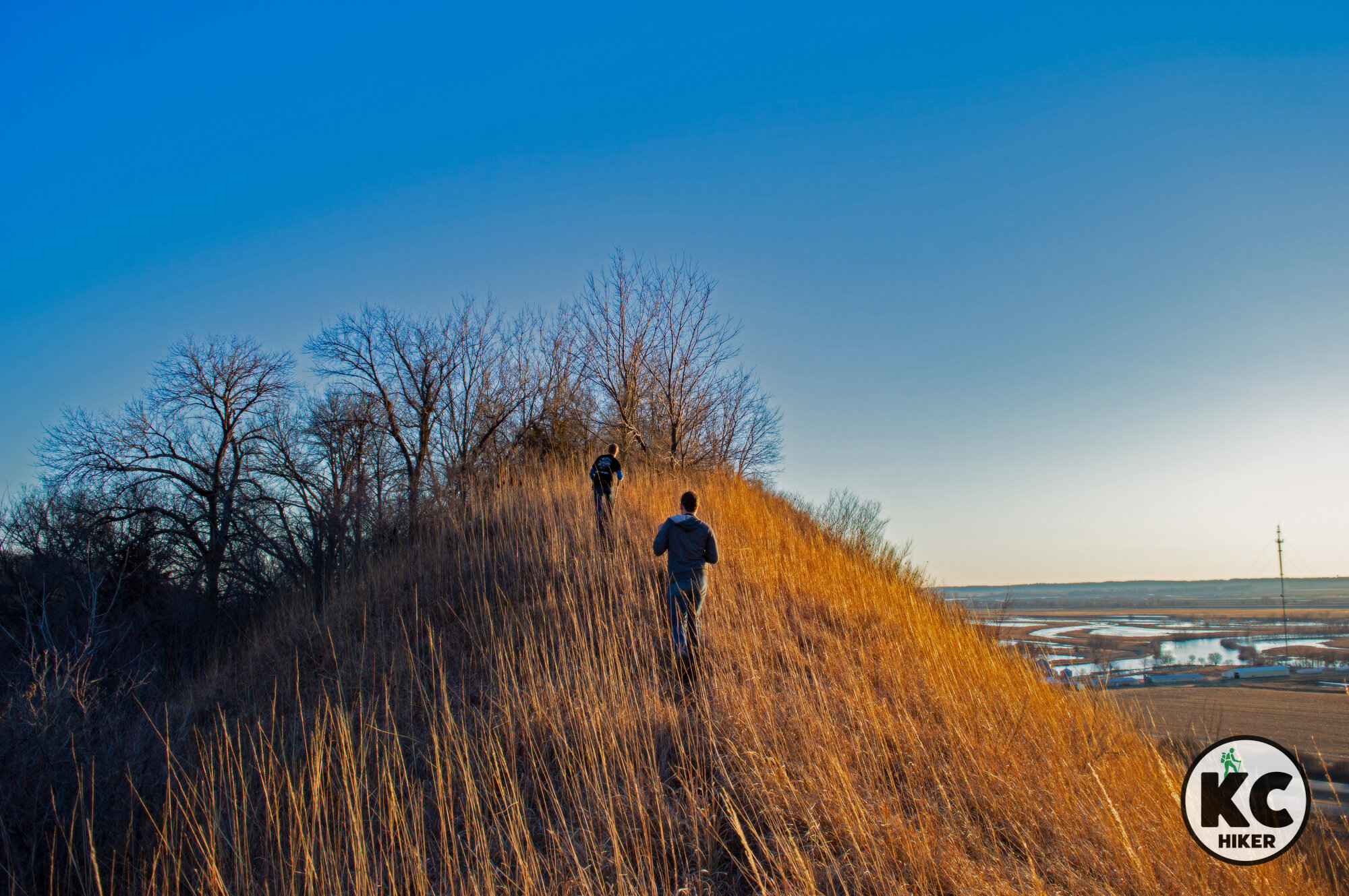
Star School Hill Prairie Conservation Area
This conservation area in northwest Missouri rises abruptly above the Missouri River Valley, offering spectacular views.
Trail Star School Hill Prairie Conservation Area
Overview
Star School Hill Prairie Conservation Area is a little known wildlife refuge in northwest Missouri, just short of the Iowa border. Yet it’s worth a visit, especially if you’re heading north on I-29. About 300 acres of rugged Loess Hills are open for exploration. Although the state map shows trails, they’re hard to find and follow, so it’s better to set out and explore on your own. The conservation area is bordered by I-29, so it’s easy to keep your bearings. These rugged hills launch steeply upward toward a wooded summit, about 250 feet above the Missouri River. Those who make it to the top can view Kansas, Nebraska, Iowa and, of course, Missouri. This is a special place that has maintained its wildness in spite of proximity to a major highway. The refuge is about two hours and fifteen minutes from Downtown Kansas City.
Star School Hill Prairie is best incorporated into a trip to the general vicinity. And that’s great, because there’s lots of hiking nearby. Options include:
Mt. Hope Cemetery, in Corning, Mo. This historic burial ground is managed through a partnership with the Missouri Department of Conservation. You’ll experience stunning views from the top of Mt. Hope. In this flood-prone region, cemeteries had to be placed on hilltops. The graveyard is rich with the history of German immigrants who farmed the area in the 1800s. Although there is no street address, here is a link to the location on Google Maps.

Mt. Hope Cemetery, in Corning, Mo., is managed through a partnership with the Missouri Department of Conservation.
Other nearby attractions include:
Arbor Day Farm is a family-oriented park (paid admission required) in Nebraska City, Neb. Lied Lodge, also in Nebraska City, is a unique, nature-oriented hotel.
Nebraska City is also home to the Lewis & Clark Interpretive Trail and Visitors Center (paid admission) and Arbor Lodge State Historical Park (paid admission).
About the Loess Hills
Loess hills were formed by wind-blown soil, not geologic uplift, glacial deposits or erosion. They’ve been described as having a “wrinkled” look. Their appearance is striking: Dirt-scarred hills shoot up suddenly from river bottom flatlands with no transition zone.These “crumbly” hills were devoid of trees in their natural state, often because wildfires and grazing buffalo and elk kept them bare. With fire suppression and farming came trees, so much of the hill range is cloaked in forest. Yet much of the original “fire” remains in these hills, with plants usually associated with the West popping up here.
While loess soils are not unique to Missouri and Iowa, their size here is unmatched except for a region in China. This region is truly unique in the Americas.
Length Although the state map indicates trails, they are difficult to find. It’s better to plan on wandering. You can explore for a couple of hours (or until you’re out of breath from the elevation gains). The western border is I-29, so it’s easy to keep your bearings.
Address and location There is no street address and no direct access from I-29. Therefore, you must access the area from Rockport, Mo., or Hamburg, Iowa. The Google Maps location is linked here. Also note that this refuge is split into two sections: one on the north and one on the south. Both are worth exploring (see the map for details).
Conditions There are no trails and this is rough ground to traverse. Plan on getting a good workout and wear sturdy footwear.
Kid friendly? Kids will need to be up for a strenuous hike and no trail.
How busy? This area is lightly trafficked. Note that hunting is allowed here during official state of Missouri seasons.
Pets Yes, on a leash.
Bikes Yes unless indicated otherwise.